 2,503
2,503  10 นาที
 :
:





Deep Dive into Van Rental Services: A Professional Guide for Business and Leisure Travel
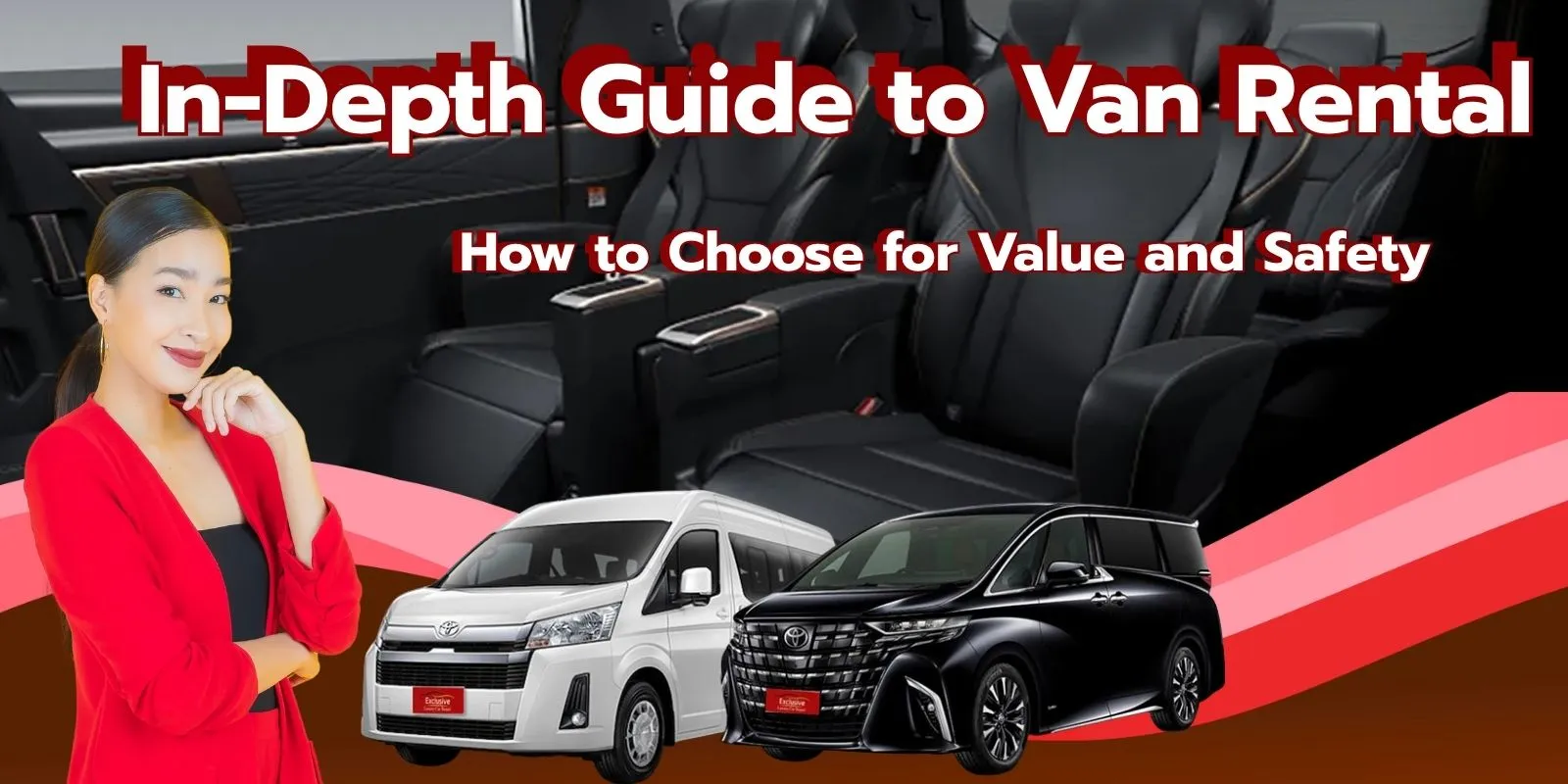
In an era where mobility is a key factor for business success and quality of life, the private mass transit system known as "Van Rental" has emerged as a primary alternative to private cars or general public transport. Offering higher flexibility, comfort, and privacy, this article explores every dimension of this service to provide a clear overview of why hiring a van is one of the most valuable choices in the modern age.
A New Phenomenon in the Transport Market: Why Van Rental is Booming
Looking back just a decade, vans were often limited to remote areas or used as cargo vehicles. Today, usage patterns have shifted entirely. Especially in Bangkok and its vicinity, the demand for inter-provincial travel is steadily increasing. The primary driver of the van rental business growth is "Time"—the most precious resource. Whether for seminars, fitness trips, airport transfers, or off-site catering, leading companies realize that waiting for public transport or deploying large buses no longer meets the need for speed and precision.
Therefore, renting a van is not just buying a ticket; it is purchasing an "Experience" and "Certainty" that the destination will be reached on schedule. Furthermore, it enhances organizational image. When executives or high-end tourists receive service in a standard, clean vehicle with full safety systems and professional drivers, it reflects the company's attention to detail. Leaving passengers to use public transport may lead to inconvenience or risks regarding property loss and confidential information.
Cost Analysis: Why Hiring a Van is More Cost-Effective
Many organizations question the economic rationale behind van rentals. When calculated using a Cost-Benefit Analysis, several clear advantages emerge. First is the Cost per Mileage. While purchasing a fleet may seem cheaper in the long run, companies must account for hidden costs: depreciation, fluctuating fuel prices, maintenance, and, crucially, voluntary motor insurance and driver insurance—all of which are unpredictable costs.
In contrast, van rental offloads nearly all these financial risks. The provider is responsible for vehicle readiness, allowing companies to budget accurately without worrying about emergency repairs. Additionally, it reduces internal administrative burdens, as there is no need for a dedicated fleet management department to handle driver schedules.
For small groups or tourists, splitting the cost of a van is often simpler than purchasing individual tickets. Especially during festivals, professional van rates remain relatively stable compared to taxis with long queues or trains with inflexible schedules. Thus, from a user perspective, hiring a van with a driver at an all-inclusive price eliminates all complexities.
Legal and Safety Perspectives: The Non-Negotiable Core
The heart of the transport industry is not just comfort, but "Safety." Under Thai land traffic laws, strict standards are set for public hire vehicles. Data from the Department of Land Transport indicates that every van operating commercially must pass inspections and hold the correct public transport license—at least a hired service license or a green/orange plate, depending on the service area.
Beyond vehicle documentation, the driver is an equally vital factor. Drivers should hold the appropriate license (e.g., Type B1 or higher for vehicles exceeding specific passenger limits) and have a clean criminal record. Professional providers conduct background checks to ensure the person behind the wheel can handle emergencies—be it heavy rain, near-miss accidents, or unfamiliar routes.
Furthermore, safety standards include on-board protection equipment. Legal vans typically feature seatbelts for every row, fire extinguishers, first-aid kits, and sometimes CCTV to monitor passenger and driver behavior. For the latest official transport service standards, you may refer to the Department of Land Transport.
Types of Vans: Choosing the Right Fit
Not all vans are created equal. To get the most value, you must understand the different vehicle categories:
-
7-Seater Van (Standard Van): Ideal for small families or internal meetings of 3–5 people. It offers urban agility and better fuel efficiency.
-
9-Seater Van (Grand Van): The most popular size, offering larger luggage space. Perfect for general tour groups or transporting staff to other provinces.
-
Luxury/Executive Van: Designed for CEOs or critical business meetings. These feature genuine leather seats, foldable tables, Hi-Fi sound systems, and high-speed in-car internet.
Choosing the right vehicle significantly boosts travel efficiency. For airport runs, luggage space is priority; for mountain retreats, suspension quality and powerful air conditioning are essential to reduce travel fatigue.
The Role of Technology in Elevating Service
In the digital age, technology has revolutionized fleet management. Top-tier providers now use Real-time GPS tracking, allowing customers to check the vehicle's location and estimated arrival time, reducing wait times and increasing transparency.
Moreover, applications now allow instant booking with automated price estimates based on distance, duration, and seasonality. Technology also monitors driver behavior via Black Boxes that detect sudden braking or speeding. For corporate clients, API integration with accounting systems simplifies invoicing and payments, significantly boosting internal productivity.
External Factors Affecting Cost and Availability
To ensure a smooth booking, one must be aware of external factors:
-
Peak Season: During long holidays or New Year, demand spikes. Experts recommend booking at least 2 weeks in advance.
-
Fuel Prices: While daily rates usually include fuel, extreme fluctuations may lead to contract adjustments in long-term rentals.
-
Road Conditions: Standard vans may not reach certain rural areas. Off-road (4x4) vehicles may be required, which come at a higher cost.
Environmental Impact: Sustainable Travel
Under the ESG (Environment, Social, and Governance) framework, travel choices affect an organization's sustainability score. Using modern diesel engines or EV/Hybrid vans reduces greenhouse gas emissions per passenger.
Comparing one person per private car to seven people in one van can save up to 70% of total energy. This aligns with the policies of the Trade Policy and Strategy Office (TPSO) to promote shared travel. Some providers are now transitioning to EV Minivans, a promising trend for the future.
Criteria for Selecting a Reliable Provider
Before deciding, perform your "homework":
-
Business License: Verify the registration on the Ministry of Transport's website.
-
Reviews: Check platforms like Google Reviews or Trip Advisor for feedback on driver politeness, cleanliness, and punctuality.
-
Guarantees & Cancellation: Inquire about refund policies and 24/7 emergency support.
Case Studies: Real-World Applications
-
Case A (Corporate): A company of 30 staff traveled from Bangkok to Chiang Mai. By hiring 4 vans instead of flying, they saved 20% in costs and allowed staff to work and bond during the journey.
-
Case B (Family): An extended family of 8 traveling to Pattaya chose a van with a driver. This allowed everyone to rest, and the local driver provided "hidden gem" restaurant recommendations, making the trip more memorable.
Conclusion and Recommendations
In summary, hiring a van is not just a travel choice; it is a modern resource management strategy. It meets both personal desires and organizational needs for flexibility and safety. Investing in a standardized service is worth the reduced risk and increased happiness of passengers.
Whether you are an organization seeking to enhance your image or a traveler seeking relaxation, always vet safety standards and legal compliance. Worry-free travel begins with good planning and a trusted partner.