 633
 12 นาที
 :





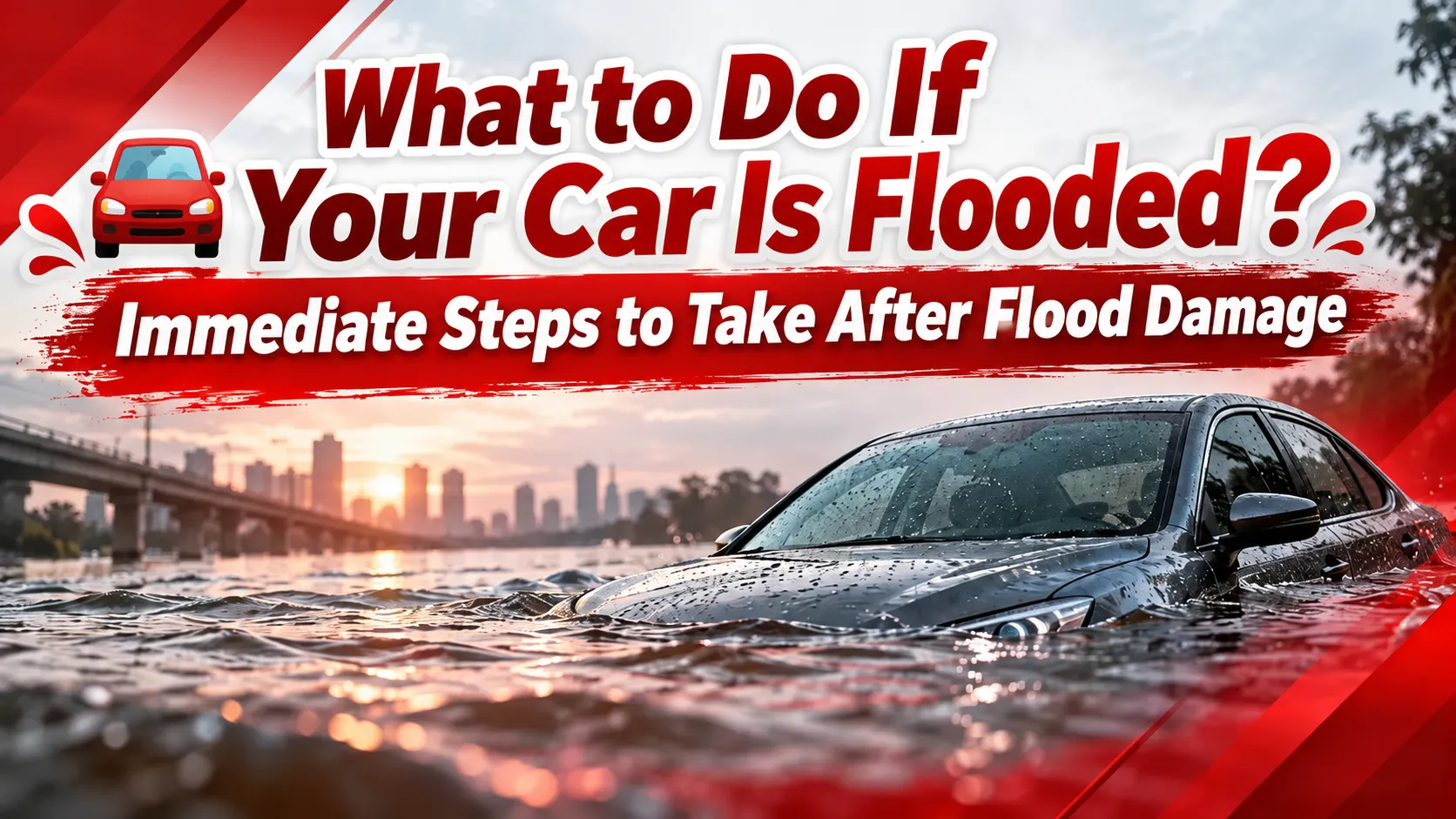
Heavy rain, flash flooding, or parking in a flood-prone area are situations that many car owners may face, especially during the rainy season when water levels can rise quickly. If you return to find that your car has been flooded up to the cabin or even completely submerged, the most important thing is not to start the engine immediately, as doing so could cause further damage to the engine and electrical systems.
If you are currently dealing with a flood-damaged car, this article will explain what to do from the moment you discover the vehicle, how to assess the damage, contact your insurance company, and what precautions to take before driving the car again. Following the right steps can help minimize further damage and reduce potential repair costs.
According to guidance from AAA: Does Car Insurance Cover Floods and Water Damage?, starting a vehicle after it has been flooded can cause permanent damage to the engine and electrical systems. It is recommended to take photos of the damage, contact your insurance provider, and arrange for the vehicle to be towed to a qualified service center for inspection before attempting to start or drive it.
1. What Should You Do First If Your Car Is Flooded?

Image credit: Aldward Castillo / Unsplash
1.1 Check Your Personal Safety First
If your car is being flooded, do not attempt to walk through fast-moving water or return to the vehicle to retrieve belongings, especially in areas where there may be electrical hazards or rapidly rising water levels. Move to a safe location first. If you are trapped inside the vehicle, contact emergency rescue services immediately.

Image credit: Dibakar Roy / Unsplash
1.2 Do Not Start the Car Under Any Circumstances
If the vehicle has been flooded up to the engine or passenger compartment, do not turn the key or press the start button, even after the water has receded. Water may have entered the engine cylinders, which can cause hydrolock and result in severe engine damage.

Image credit: Unsplash
1.3 Take Photos of the Damage
Once the area is safe, take clear photos of the vehicle from all angles, including visible water marks on the exterior and inside the cabin, the license plate, and any damaged belongings. These photos can be used as supporting evidence when filing an insurance claim.

Image credit: Dibakar Roy / Unsplash
1.4 Contact Your Insurance Company and Arrange for Towing
Contact your insurance provider to ask about the claim process and arrange for a tow truck. Do not attempt to drive the vehicle out of the flooded area yourself, even if the engine still starts. This is especially important for electric and hybrid vehicles, which may pose additional risks due to their high-voltage electrical systems.
2. What Parts of a Flooded Car Should Be Inspected?
After the vehicle has been removed from the flooded area, it should be thoroughly inspected by a qualified mechanic. Even if the car appears normal from the outside, water may still be trapped inside the engine, electrical systems, or other components, especially if the vehicle was submerged for a long period of time.

Image credit: Aldward Castillo / Unsplash
Engine and Transmission System
Check the engine oil, air filter, cylinders, transmission fluid, and other vehicle fluids. If any water contamination is found, it should be properly addressed before attempting to start the engine.

Image credit: Aldward Castillo / Unsplash
Electrical System and ECU
Inspect the wiring, control units, sensors, and electrical connectors, as moisture can cause corrosion or short circuits. These problems may develop even after the vehicle appears to be operating normally again.

Image credit: Zukidin.com
Cabin and Air Conditioning System
Inspect the carpets, seats, foam padding beneath the floor, and air conditioning system. If water or moisture remains trapped inside, it can lead to mold, musty odors, and rust over time.

Image credit: michaelstire.com
Brake System, Suspension, and Wheel Bearings
Water and mud can accumulate in various components, so the brake system, wheel bearings, and suspension should be thoroughly inspected before the vehicle is driven again.
For EVs and hybrid vehicles, if floodwater has reached the high-voltage battery area, the vehicle should be inspected by a properly trained technician. Do not touch high-voltage cables or attempt to remove the battery yourself.
3. At What Flood Level Is a Car at Risk of Serious Damage?
The severity of flood damage does not depend on water level alone. It also depends on how long the vehicle was submerged, the type of floodwater involved, and which vehicle systems were exposed.
| Flood Level | Possible Damage |
|---|---|
| Water reaches the wheels | Brake system, wheel bearings, and suspension components |
| Water reaches the vehicle floor | Carpets, seats, wiring, and components beneath the floor |
| Water reaches the dashboard | Electrical systems, control units, and electronic components |
| Water reaches the roof | Severe damage may occur across multiple systems, resulting in high repair costs |
This table is intended as a general guideline only. The location of the engine, air intake, electrical components, and other systems varies between vehicle models. Even relatively shallow floodwater can cause serious damage if water reaches critical components.
4. Does First-Class Car Insurance Cover Flood Damage?
In general, first-class car insurance in Thailand often covers damage caused by flooding. However, vehicle owners should carefully review their insurance policy, including the coverage limit, exclusions, and claim conditions set by their insurance provider.
If your car has been flooded, contact your insurance company as soon as possible. Provide clear photos of the damage and complete details of the incident. The insurer will then assess the damage and may recommend an appropriate repair center or garage.
If the vehicle is severely damaged and the cost of repairs is considered uneconomical, the insurance company may provide compensation according to the terms and conditions of the policy. You should avoid repairing the vehicle or removing major components before contacting your insurer, unless it is necessary for safety reasons or has been recommended by an insurance representative.
5. What You Should Not Do After Your Car Has Been Flooded
Precautions to follow after the floodwater has receded:
- Do not start the engine just to check whether the car still works.
- Do not turn on the electrical system or charge a flooded EV before it has been properly inspected.
- Do not drive the vehicle immediately after it has been submerged.
- Do not leave wet carpets or seats damp for long periods, as this can lead to mold and rust.
- Do not discard damaged parts or equipment before the insurance company has inspected them.
If the vehicle needs to be moved, use a towing service that is suitable for the type of vehicle and follow the instructions provided by your insurance company or the vehicle manufacturer.
6. If Your Flood-Damaged Car Needs Repairs for a Long Time, What Can You Drive While Waiting?
If your personal vehicle has been damaged by flooding and needs to stay at a service center for several days or even weeks, renting a car while your vehicle is being repaired can be a convenient option. It allows you to continue commuting to work, taking care of family transportation, and handling daily errands as usual.

Car Rental While Your Car Is Being Repaired from Exclusive Car Rental
If your car has been damaged by flooding and requires a long repair period, Exclusive Car Rental offers a car rental service while your vehicle is being repaired.
Both daily and monthly rental options are available, with a wide range of vehicle types to choose from based on your needs, including sedans, SUVs, 7-seater vehicles, and vans. This service is ideal for customers who need a temporary replacement vehicle while waiting for their car to be repaired.
Exclusive Car Rental – View our car rental service while your vehicle is being repaired or contact us via LINE.
Tel. 02-126-0718 | LINE: @exclusivecar
Summary: How to Minimize Damage After Your Car Has Been Flooded
If your car has been flooded, your personal safety should always come first. Do not start the engine under any circumstances, and contact your insurance company as soon as possible to arrange for the vehicle to be taken to an authorized service center or a qualified repair shop. Attempting to drive a flood-damaged vehicle may cause even more serious damage to the engine and electrical systems.
If your car needs to stay in the repair shop for an extended period, you can consider using a car rental service while your vehicle is being repaired from Exclusive Car Rental, helping you continue your daily travel without disruption while waiting for your car to be ready again.
Frequently Asked Questions (FAQ)
1. Can I Start My Car Immediately After It Has Been Flooded?
No. You should not start the car immediately, even after the floodwater has completely receded. Water may still remain inside the engine, air intake system, or electrical components. The vehicle should be taken to a service center or qualified repair shop for a professional inspection and damage assessment before attempting to start it.
2. Can a Flood-Damaged Car Be Used Normally After Repairs?
It depends on the extent of the damage and the quality of the repairs. If the flooding was minor and the vehicle was properly inspected and repaired, it may return to normal use. However, if floodwater reached the engine, control units, or major electrical systems, there may be a risk of long-term problems. A thorough inspection is therefore recommended before the vehicle is put back into regular use.
References