 215
215  20 นาที
 :
:





Here is the English version of the article, properly formatted and ready to be copy-pasted. All the intended anchor texts for your links have been preserved exactly as requested.
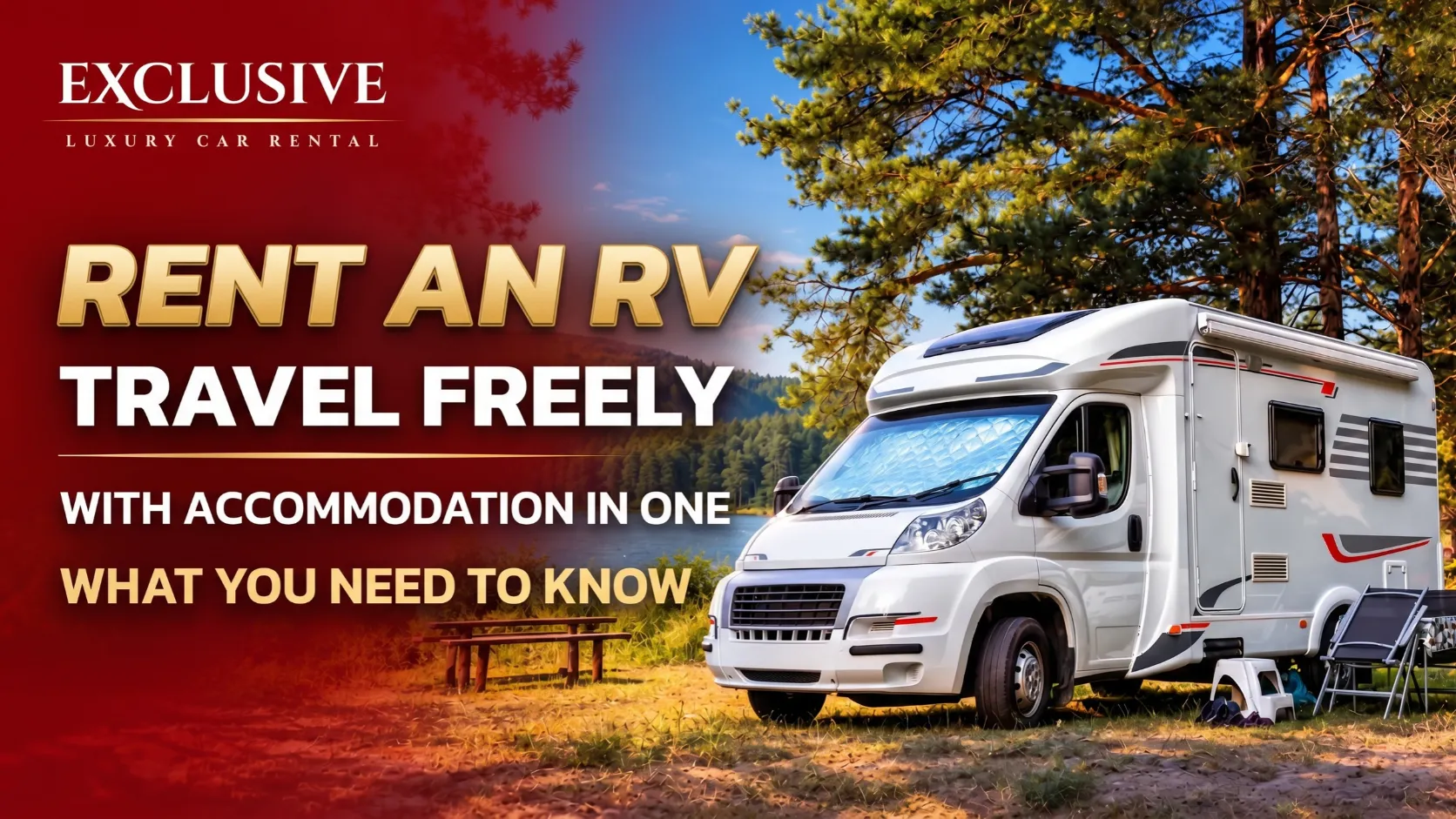
In today's era where travel trends are rapidly changing, many travelers are looking for the flexibility and freedom to design their own itineraries. A journey that combines transportation and accommodation into a single vehicle has become the perfect answer for those who love being close to nature and want to escape traditional travel boundaries. "Renting a motorhome" (Motorhome or Campervan) allows you to park by a lake, wake up to a sunrise on a mountain peak, or change your travel plans anytime your heart desires.
For planning a trip in Thailand, starting with basic research is the most important step. You can begin by searching for service providers from reliable directories, such as motorhome rental companies, to compare vehicle models and prices that fit your budget. Also, don't forget to prepare your documents; you can study the details about the documents required for renting a car to ensure a smooth vehicle pickup. If you are looking for destination inspiration, Thailand has many places perfect for driving a motorhome. You might start with natural routes near Bangkok—check out 20 places to visit in Nakhon Nayok, which is full of mountains and waterfalls. Or, if you love historical vibes, organizing an Ayutthaya trip is a classic choice. For those with limited time, taking a short drive to experience the river mouth atmosphere and checking in at 10 places to visit in Samut Prakan is a great way to recharge.

What is a Motorhome and Why is it Perfect for Independent Travel?
A motorhome (Recreational Vehicle or RV) is a vehicle designed and modified to include living space inside, combining the functions of Transportation and Accommodation. The term "RV" is a broad term that covers both Motorhomes (large vehicles with a built-in engine) and Campervans (vans modified for camping).
The main difference between using a motorhome and driving a regular car to stay in a hotel is the "freedom to control your time and location." When staying at a hotel, you have to worry about check-in and check-out times, or packing your bags every day to move to a new place. But with a motorhome, all your luggage is neatly stored in cabinets and drawers from the beginning to the end of the trip. You can cook your own meals in a small kitchen, use your private bathroom along the way, and go to sleep immediately when you reach an authorized parking spot.
This travel concept is highly suitable for various types of travelers: families with young children who need convenience in food preparation and resting spaces; couples seeking privacy in a romantic natural setting; groups of friends who love adventure and camping activities; and Digital Nomads who can work on their laptops while enjoying a million-dollar view from the vehicle's window.
The History of Motorhomes: From Modified Vehicles to Mobile Homes
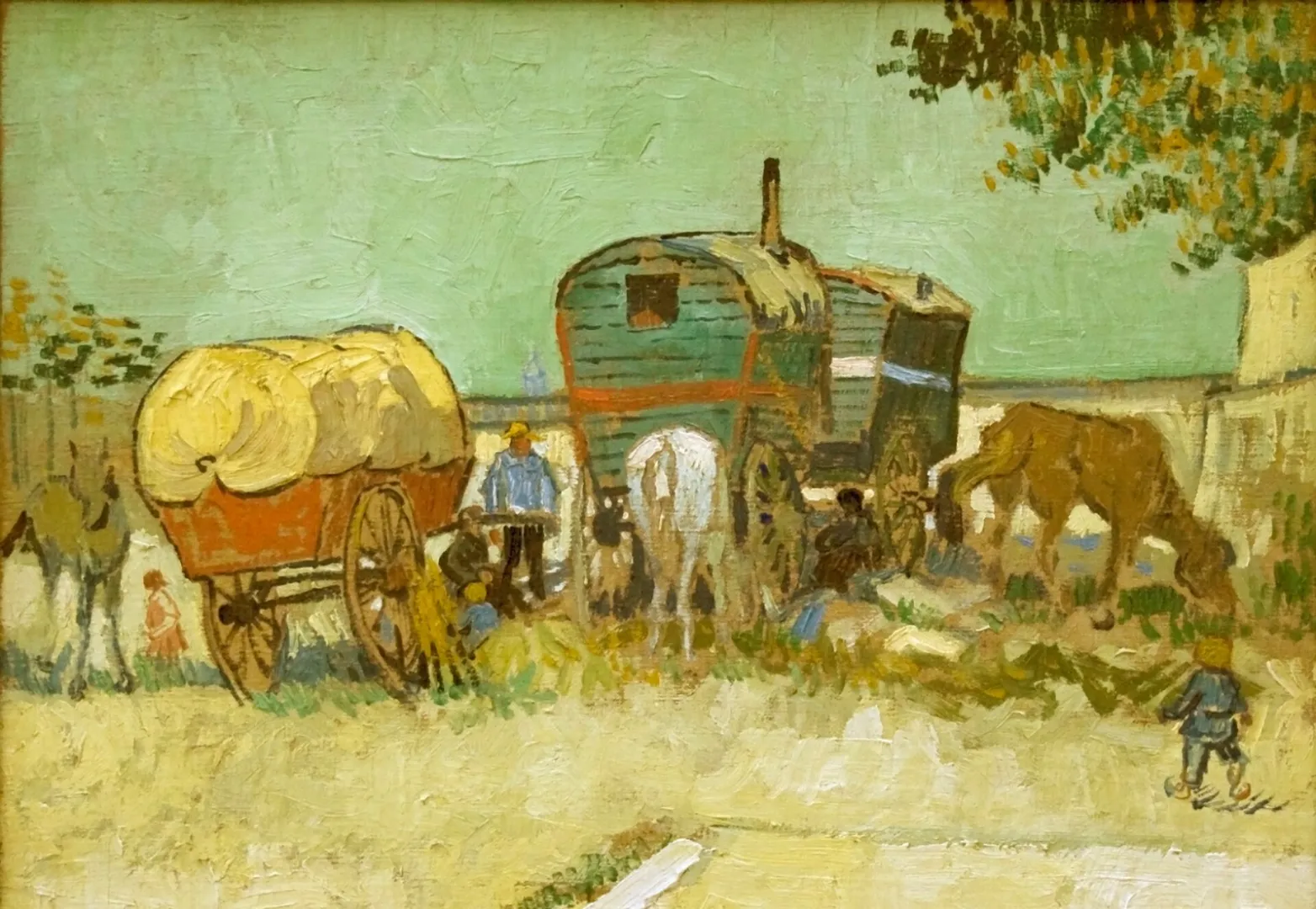
The origins of traveling with a living space can be traced back to the era of horse-drawn wagons used by Romani people or nomadic groups in Europe as both transportation and homes. However, in the era of motorized vehicles, the history of the motorhome officially began in the early 20th century in Europe and the United States. Passenger car chassis were modified with wooden and canvas extensions so people could sleep during long journeys.
The development of motorhomes took a massive leap after World War II. When road infrastructure in the US and Europe became more connected, the RV manufacturing industry shifted from using wood to lightweight and durable aluminum and fiberglass structures. Electrical systems, plumbing, bathrooms, and air conditioning were installed, making the interior amenities as comfortable as a small house. This turned Road Trip and Camping culture into a staple of Western lifestyle.
As for the trend in Thailand, motorhome travel has become more well-known and increasingly popular over the past few years. It started with camping enthusiasts and evolved into the growth of the motorhome rental business, as well as the emergence of private RV parks and campsites that provide facilities like electrical hookups and waste disposal stations specifically for these tourists. (Note: The number of campsites and providers may change; travelers should always check the latest information before traveling).
How Many Types of Motorhomes Are There? Which One to Choose?
To make an informed decision when renting a motorhome, you need to know the types of motorhomes available in the market. They can be mainly divided into 4 types:
Motorhome (Large RV)
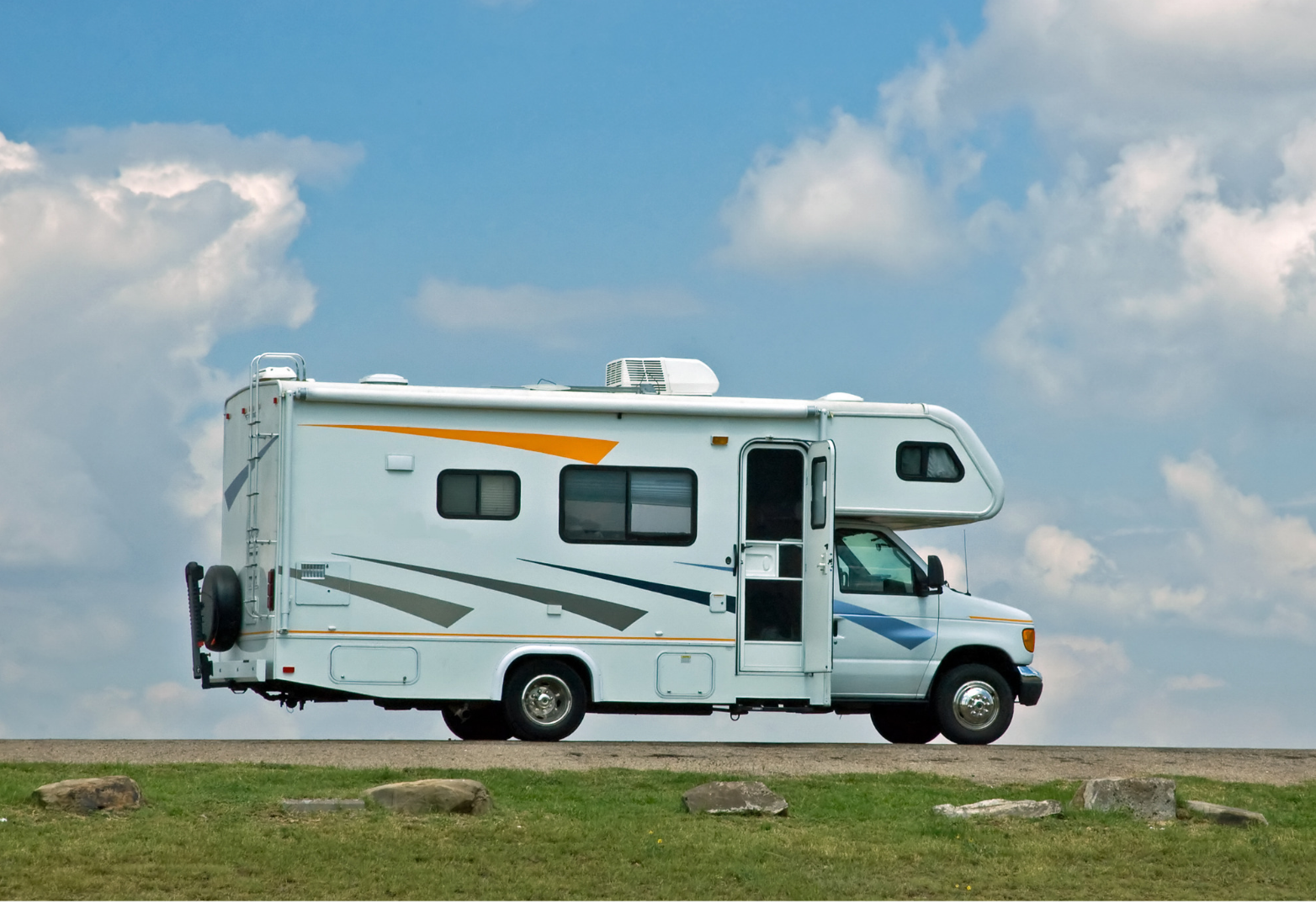
A motorhome is built on a small or medium-sized truck chassis, perfectly integrating the driving cabin and the living quarters into a single structure.
-
Features and Highlights: Offers spacious living areas. You can stand and walk comfortably inside. It includes a complete bathroom, shower, kitchen, and living area. Some models have an extension over the driver's cab (Luton/Alcove) to serve as a bed.
-
Sleeping Space and Passengers: Accommodates 4 to 6 people. Ideal for large families or groups of friends.
-
Limitations and Skills Required: The vehicle is very wide, long, and tall. Driving requires skill, good spatial awareness, and extra caution when entering narrow alleys or passing under bridges. It can be hard to find parking in the city.
Campervan (Modified Van)
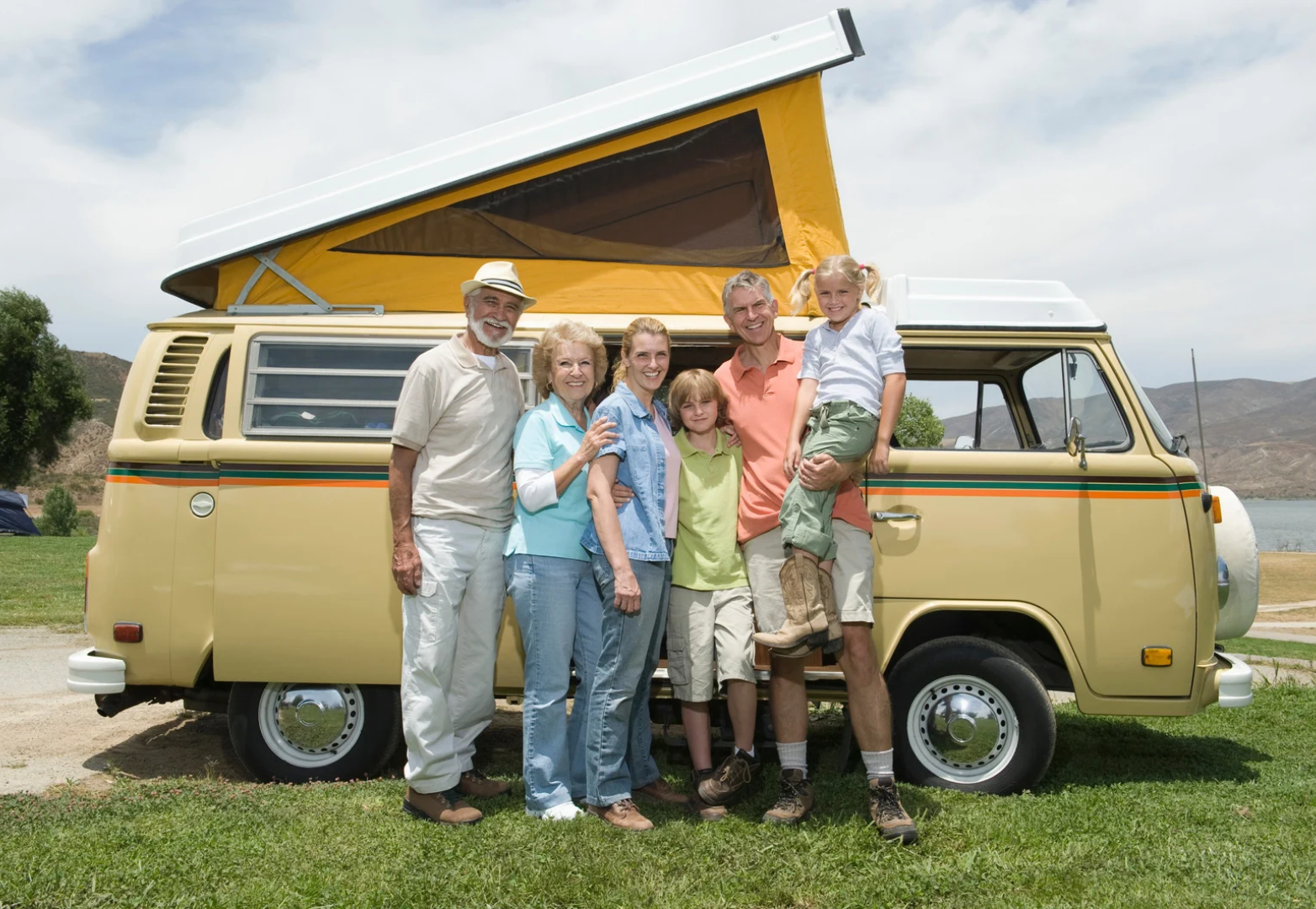
A campervan is a standard van with the rear area modified into a living space.
-
Features and Highlights: Similar in size to a standard van, making it easy to drive and agile. It can easily park in standard parking spaces or navigate through cities. Some models feature a Pop-up Roof to add extra sleeping space on top.
-
Sleeping Space and Passengers: Accommodates about 2 to 4 people. Ideal for couples or small families.
-
Limitations and Skills Required: Interior living space is quite limited. The bathroom might just be a portable toilet (Porta Potti), or some models may not have a bathroom at all, requiring you to use campsite facilities. Driving requires only standard van driving skills.
Caravan or Travel Trailer
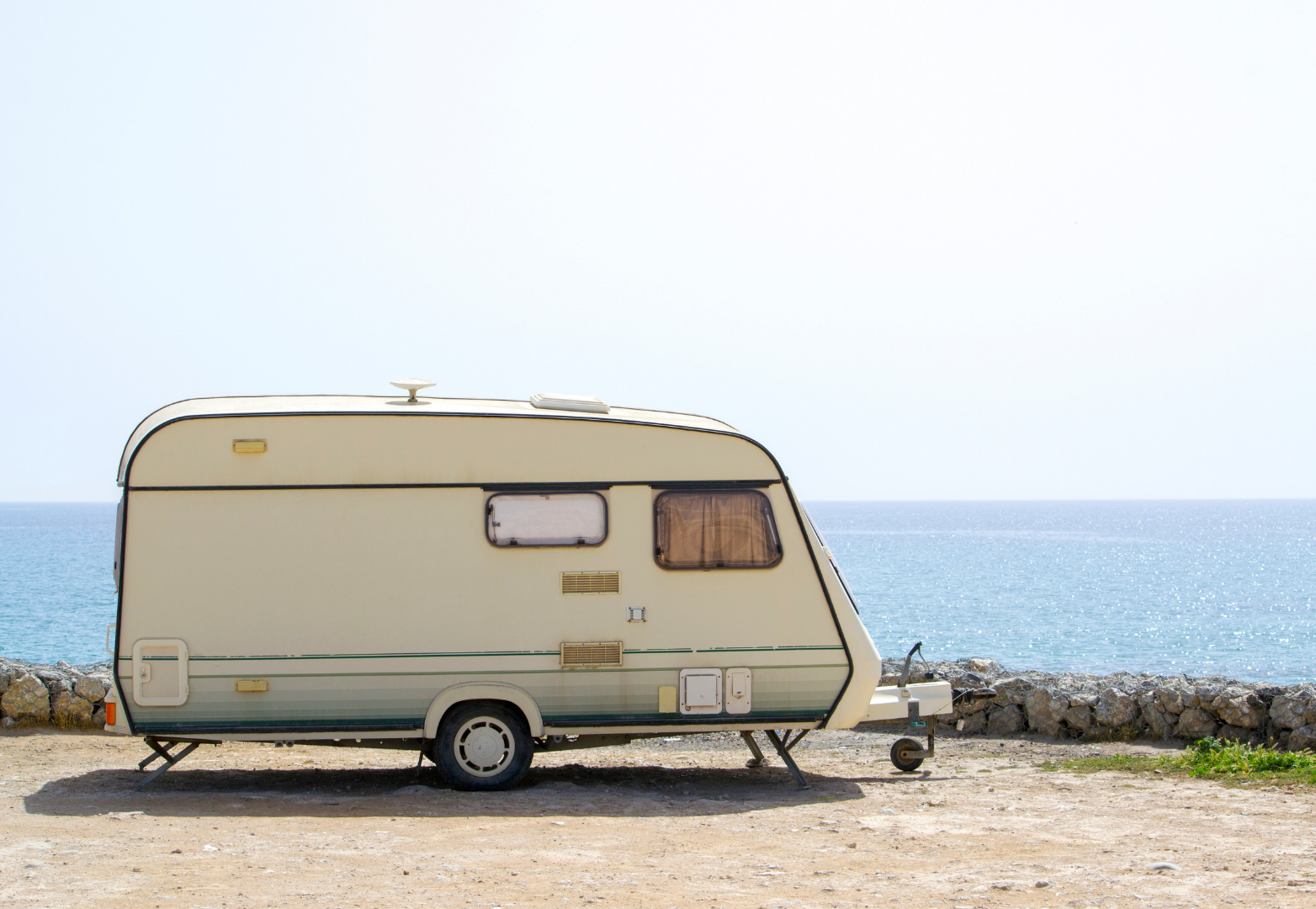
A caravan doesn't have its own engine; it is a trailer that must be towed by a vehicle (usually a pickup truck or a high-towing-capacity SUV).
-
Features and Highlights: Once you reach the campsite, you can unhitch the caravan, leave it at the parking spot, and drive only the front car to explore nearby attractions or buy groceries with great agility.
-
Sleeping Space and Passengers: Available in various sizes, accommodating from 2 up to 6 or more people.
-
Limitations and Skills Required: Requires advanced driving skills for towing, especially when cornering, estimating distances, and reversing, which is highly complex. In Thailand, self-tow rentals are not very common; they are mostly rented stationary at resorts.
Truck Camper or Off-Road Camper
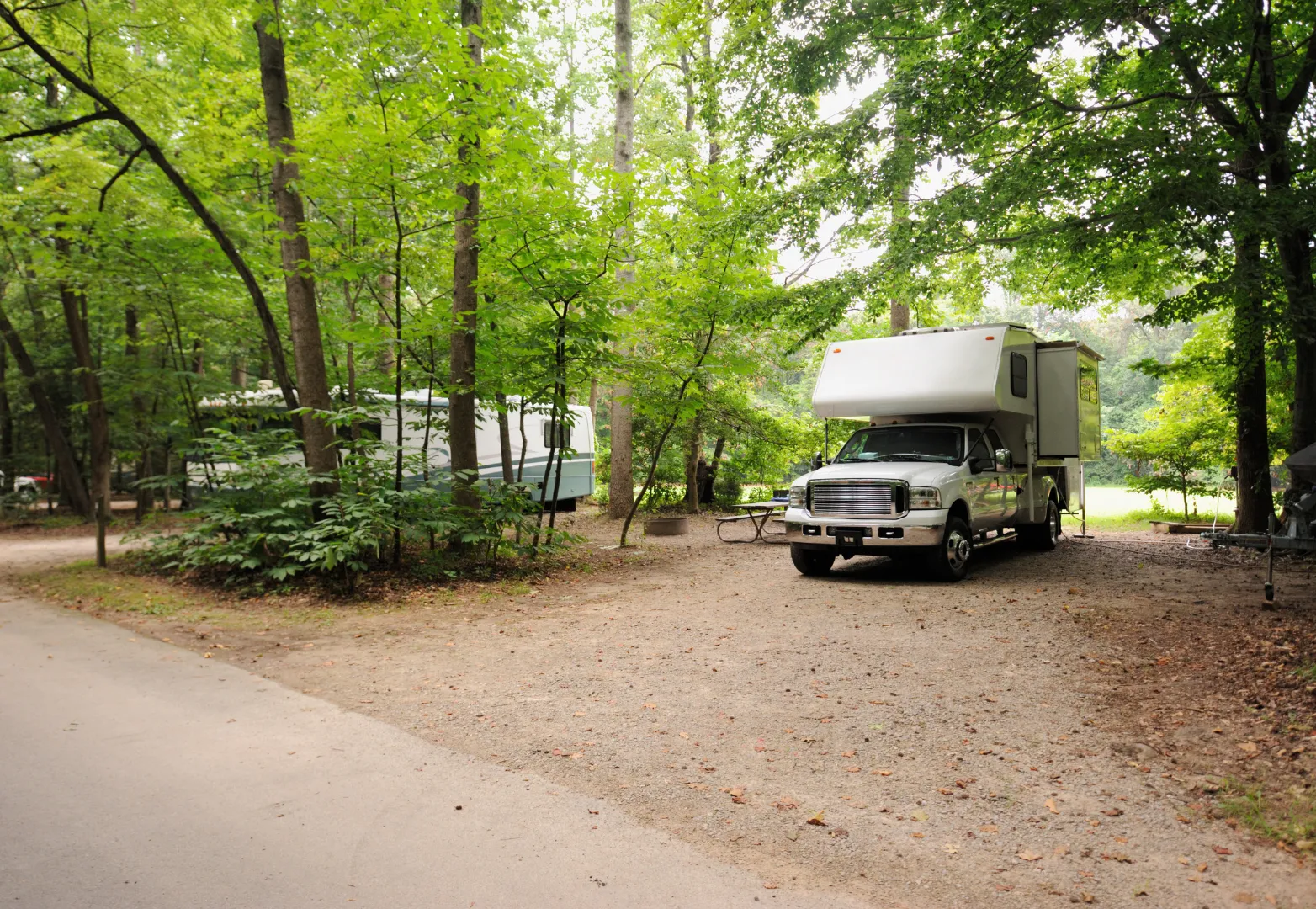
Often referred to as a Truck Camper or a pickup with a canopy and a Roof Top Tent.
-
Features and Highlights: Perfect for adventurous travelers who want to venture into rugged terrains, dirt roads, or steep mountains where standard motorhomes cannot reach.
-
Sleeping Space and Passengers: Accommodates 2 to 3 people.
-
Limitations and Skills Required: Offers the least comfort. You have to set up the tent or arrange the sleeping area upon arrival. No built-in bathroom. Requires off-road driving skills.
(Note: Actual living space and equipment depend on the manufacturer and specific rental provider. Always request photos of the actual vehicle before booking.)
What’s Inside a Motorhome?
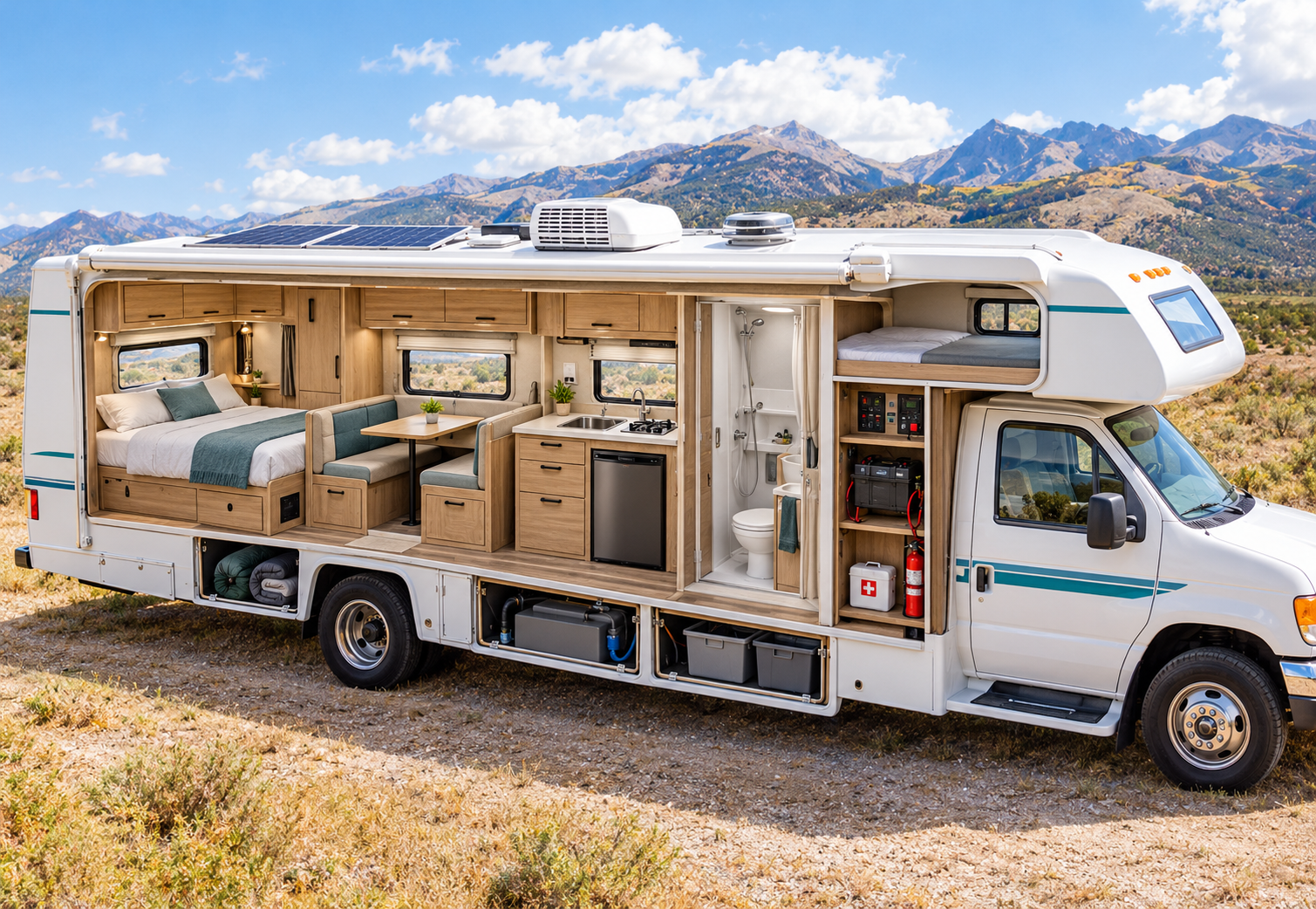
Many people might wonder how comfortable living in a motorhome really is. Here is an overview of the amenities you will typically find in a standard motorhome (especially medium-sized Motorhomes and Campervans):
-
Sleeping Area and Storage: Beds in a motorhome are often designed to be foldable or convertible, such as a dining table that drops down to form a bed (Dinette bed) or a rear bed. There are overhead cabinets for storing clothes and bags.
-
Kitchen, Stove, and Prep Area: Usually includes a small sink, a gas stove (1-2 burners) or induction cooker, a compact refrigerator (running on 12V electricity or gas), and drawers for storing pots, pans, plates, bowls, and cutlery.
-
Bathroom and Plumbing System: Large motorhomes will have a built-in "wet bath" combining the toilet and shower in the same room. The water system includes a Fresh water tank for consumption, a Grey water tank for wastewater from the sink and shower, and a Black water tank for toilet waste, which must be emptied at designated spots.
-
Electrical System, Battery, and Power Source: Motorhomes have two sets of batteries: one for starting the engine and a "House battery" for the living area. Charging can be done by driving, via rooftop solar panels, or by plugging into a power outlet at a campsite (Shore power) to use 220V appliances.
-
Air Conditioning and Ventilation: There is AC that runs while driving, and a roof air conditioner that usually requires a 220V external plug to operate. There are also exhaust fans on the roof to vent heat and cooking odors.
-
Dining Table and Living Area: The rear passenger seats often have a table in the middle. In some models, the front driver and passenger seats can swivel around to join the table and create a social area.
-
Safety and Emergency Equipment: A small fire extinguisher, smoke and carbon monoxide detectors, a window breaker hammer, and a basic first-aid kit.
(Different types of motorhomes and providers may offer varying equipment, appliances, and decor. You should inquire about details and check the vehicle specs thoroughly with the rental company before booking.)
What You Need to Know Before Renting a Motorhome
Before you transfer your deposit to book a motorhome, there are several conditions and details you must carefully check to prevent issues and misunderstandings during your trip.
Check the Provider and Reliability Start by checking the provider's background, reading real customer reviews, looking at updated vehicle photos, and comparing standards among companies. You can find more information about motorhome rental companies to help filter and compare quality providers with diverse vehicle options.
Check Seating Capacity and Allowed Passengers The golden rule of motorhome rental is: "The number of passengers must not exceed the number of available seatbelts." Do not just look at how many people it can sleep. You must check how many legally compliant seatbelts it has. If a vehicle sleeps 6 but only has 2 seatbelts in the back (making a total of 4 including the front), you can only travel with a maximum of 4 people.
Check Driver's License Requirements and Conditions Some heavy motorhomes or trailers might require a different type of driver's license other than a standard personal car license. (In Thailand, standard personal driver's licenses are generally acceptable for Campervans or Motorhomes that do not exceed the legal weight limit). Additionally, some companies might restrict the driver's age (e.g., must be 25 or older) and driving experience. Don't forget to prepare and double-check all the documents required for renting a car so you don't lose your chance to rent.
What Are the Costs of Renting a Motorhome?
Budgeting for a motorhome rental shouldn't just be based on the daily rate, as there are hidden costs you need to include in your calculation. (Note: Do not make up rental prices without reference data; the following are simply examples of expense categories to consider.)
-
Daily or Duration Rental Fee: Depends on the vehicle type, size, and season. Rates are higher during the High Season.
-
Security Deposit and Excess: A lump sum held on your credit card or in cash, which will be refunded if the vehicle is returned in its original condition.
-
Fuel or Energy Costs: Motorhomes are heavy and have high wind resistance, meaning their fuel consumption is significantly higher than regular cars. Always calculate extra for fuel.
-
Parking and Campsite Fees: Although you have a bed inside, parking overnight on a deserted roadside isn't safe. You will need to pay fees to park at an RV Park or Campsite, which provides power hookups, water refills, and shared bathrooms.
-
Tolls and Other Fees: On some routes, motorhomes are classified as large vehicles, meaning expressway tolls or ferry tickets will be more expensive than for standard 4-wheel cars.
-
Add-on Equipment: Some providers only rent the bare vehicle. If you need bed linens, towels, camping stoves, camping chairs, or bicycles, you may have to pay additional daily rental fees.
-
Cleaning and Waste Management Fees: If you return the vehicle without washing the dishes, cleaning the interior, or emptying the Black water tank, the company may charge a special handling fee.
How to Compare Prices: Add up all estimated costs (Rental Fee + Campsite Fee + Estimated Fuel + Add-on Equipment) and divide by the number of travelers. This will give you the true per-person budget so you can accurately compare the value.
8 Steps to Renting a Motorhome: From Booking to Returning
To help beginners understand the entire process, here are 8 essential steps from thinking about renting to ending the trip:
-
Set Your Travel Dates, Number of Travelers, and Destination: Use this to estimate the size of the motorhome you need. Ensure enough space if traveling in a group.
-
Choose the Right Vehicle Type: Consider the driving skills of your group, budget, and route. If navigating narrow mountain roads, a Campervan is better than a large Motorhome.
-
Compare Providers and Read the Contract: Contact multiple providers to check availability, ask about the conditions mentioned above, and read the rental contract thoroughly.
-
Prepare Documents and Check Driver Qualifications: Prepare your ID card, driver's license (ensure it's the correct type), and a credit card for the deposit.
-
Book the Vehicle and Understand All Costs: Pay the required deposit, confirm add-on equipment, and receive your booking confirmation.
-
Inspect the Vehicle and Test Equipment Before Departure: On pickup day, walk around to check for external scratches and take a video as evidence. Have the staff demonstrate how to connect power, open wastewater valves, start the generator (if any), and deploy the awning.
-
Use the Vehicle According to Guidelines: Drive carefully and use the electrical and water systems economically according to the manual.
-
Return the Vehicle on Time and Inspect with the Provider: Clear out trash, empty wastewater at designated spots, refill the fuel tank to the pickup level, and do a final inspection to get your deposit back.
Recommended Motorhome Trip Ideas in Thailand
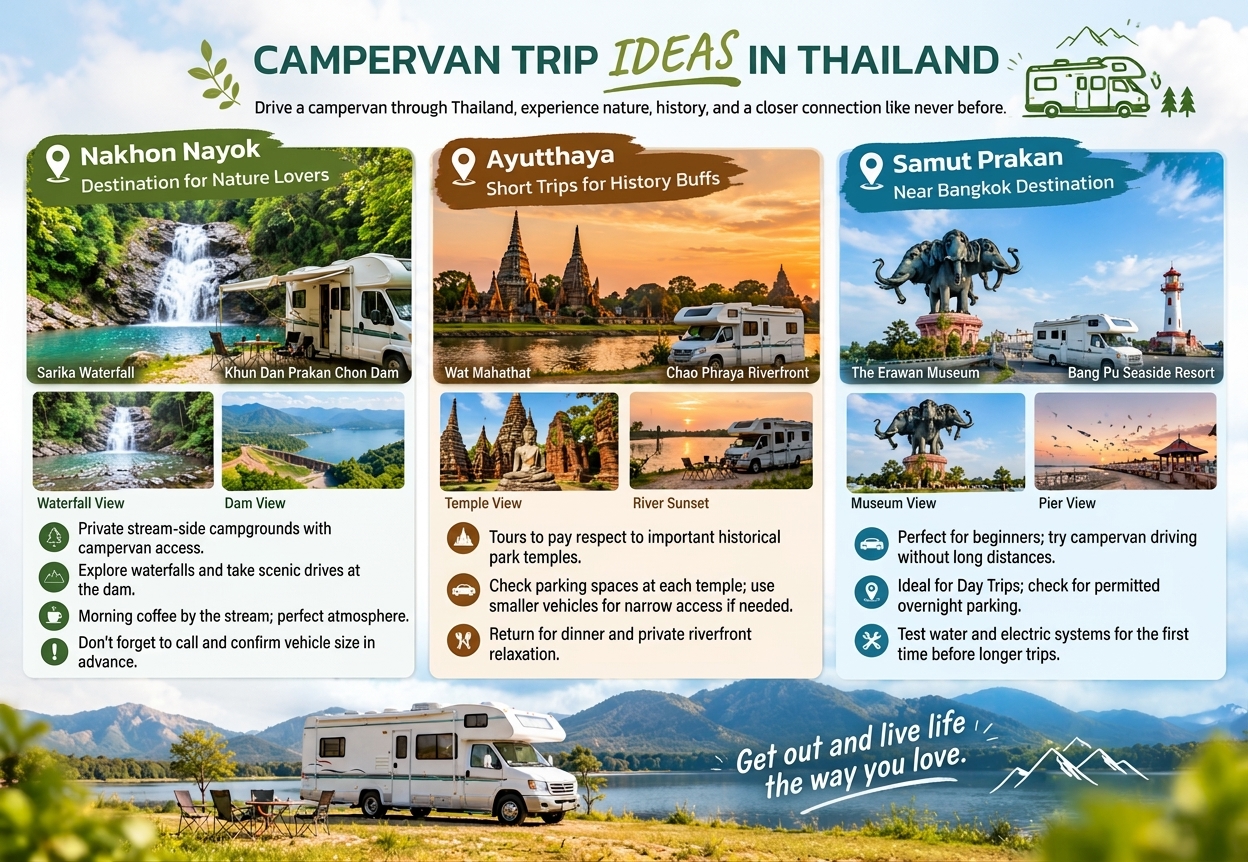
Thailand offers stunning natural routes and increasingly standardized RV parking spots. Here are 3 popular itinerary ideas you can adapt (Always verify the regulations of each location and RV parking spot before traveling, as not all tourist spots accommodate motorhomes).
Nakhon Nayok: A Destination for Nature Lovers Nakhon Nayok is not far from Bangkok, making it an easy, fatigue-free motorhome drive. The highlight is the numerous private riverside campsites that welcome motorhomes. You can study 20 places to visit in Nakhon Nayok to plan a trip suited for waterfall lovers, like visiting Sarika Waterfall or enjoying the breeze at Khun Dan Prakarn Chon Dam. Parking your motorhome by a stream, rolling out the awning, and sipping morning coffee is a rare experience you can't find in the capital. (Don't forget to call ahead to book the campsite and confirm your vehicle size).
Ayutthaya: A Short Trip for History Buffs If you aren't into forests and mountains, try a change of scenery by parking your motorhome by the Chao Phraya River in Ayutthaya. By organizing an Ayutthaya trip with a motorhome, you can drive around to pay respects at major temples in the Historical Park. However, make sure to check the parking spaces at each temple. If the entrance is too narrow, park your motorhome at an outer lot and use a bicycle (brought with your RV) or rent a Tuk-Tuk instead. In the evening, return to cook and relax privately by the river.
Samut Prakan: A Destination Near Bangkok For first-time renters who aren't confident driving long distances yet, finding a nearby destination like Samut Prakan is a great option. Check out 10 places to visit in Samut Prakan as a starting idea. You might plan a Day Trip to the Erawan Museum or catch the sea breeze at Bang Pu Recreation Center. If you want to stay overnight, strictly verify authorized private campsites to test out your motorhome's water and electrical systems on this first trip before embarking on longer journeys in the future.
Pros and Cons of Renting a Motorhome
Every travel style has its charms and considerations. Understanding both sides will help you make the best decision.
Pros of Traveling with Accommodation
-
Maximum Flexibility: No rushing to check-in, no waking up early to catch the hotel breakfast. Cook when you're hungry, pull over and sleep when you're tired.
-
Close to Nature: You can stay in spots where hotels could never be built, such as by a cliff edge or a lake.
-
Less Luggage Fatigue: Pack your bags once, put them in the cabinet, and never have to move them in and out again.
-
Privacy and Hygiene: Using your own bathroom and bedding provides much more peace of mind.
Limitations on Space, Convenience, and Driving
-
Limited Space: Narrow walkways, tiny bathrooms. Some might feel claustrophobic if stuck inside for long periods during the rain.
-
Increased Chores: You have to refill water, empty waste, sweep, do dishes, and make the beds yourself. There's no maid service.
-
Driving Restrictions: Hard to find city parking, cannot use Drive-Thrus or park in malls with low ceilings. Must drive at lower speeds.
Motorhome vs. Standard Car Rental + Hotel
Objectively comparing the two, renting a motorhome might not always be cheaper than renting a sedan plus a hotel (since motorhome rentals are pricey and consume more fuel). What a motorhome offers is an "Experience" or the camping lifestyle. If budget isn't an issue and you love the outdoors, a motorhome is the answer. However, if your trip includes elderly people or young children who need high comfort, non-stop AC, and convenient services, renting a standard car and booking good hotels is likely the better fit.
Safety and Precautions for Motorhome Travel
Living in a moving vehicle involves safety aspects you must pay special attention to:
-
Know Your Height, Width, and Weight: Always stick a note with the vehicle’s height and width on the dashboard to remind yourself when passing under tunnels, billboards, or tree branches.
-
Beware of Narrow Roads, Steep Inclines, and Bridge/Parking Restrictions: Never risk driving on unsure routes. If the GPS directs you to a dirt-road shortcut, take the time to detour via the main road instead.
-
Wear Seatbelts and Follow Travel Rules: Passengers must not walk around, cook, or sleep on beds while the vehicle is in motion. Everyone must be seated and buckled up.
-
Use Electricity, Stoves, and Gas per the Manual: Always turn off gas valves after cooking, and NEVER leave a gas stove on to heat the cabin.
-
Mind Ventilation and Smoke/Gas Risks: Always turn on the exhaust fan when cooking and ensure smoke and carbon monoxide detectors are working properly.
-
Do Not Park in Prohibited or Risky Areas: Avoid overnight parking on lonely highways, under large trees with dead branches, or in flash-flood risk zones.
-
Keep Emergency Contacts Handy: Save the phone numbers of the rental company, insurance, and local rescue services.
-
Inspect the Vehicle Every Morning: Check tire pressure, coolant levels, and look under the vehicle for any water or oil leaks before starting the engine every day.
What Are the Alternatives?
Even though a motorhome sounds fun, it’s not for everyone. For those uncomfortable driving large vehicles, those who don't want the chore of cleaning and emptying wastewater, or those planning a trip focused on dining and shopping in the city center, a motorhome will become a burden rather than a joy.
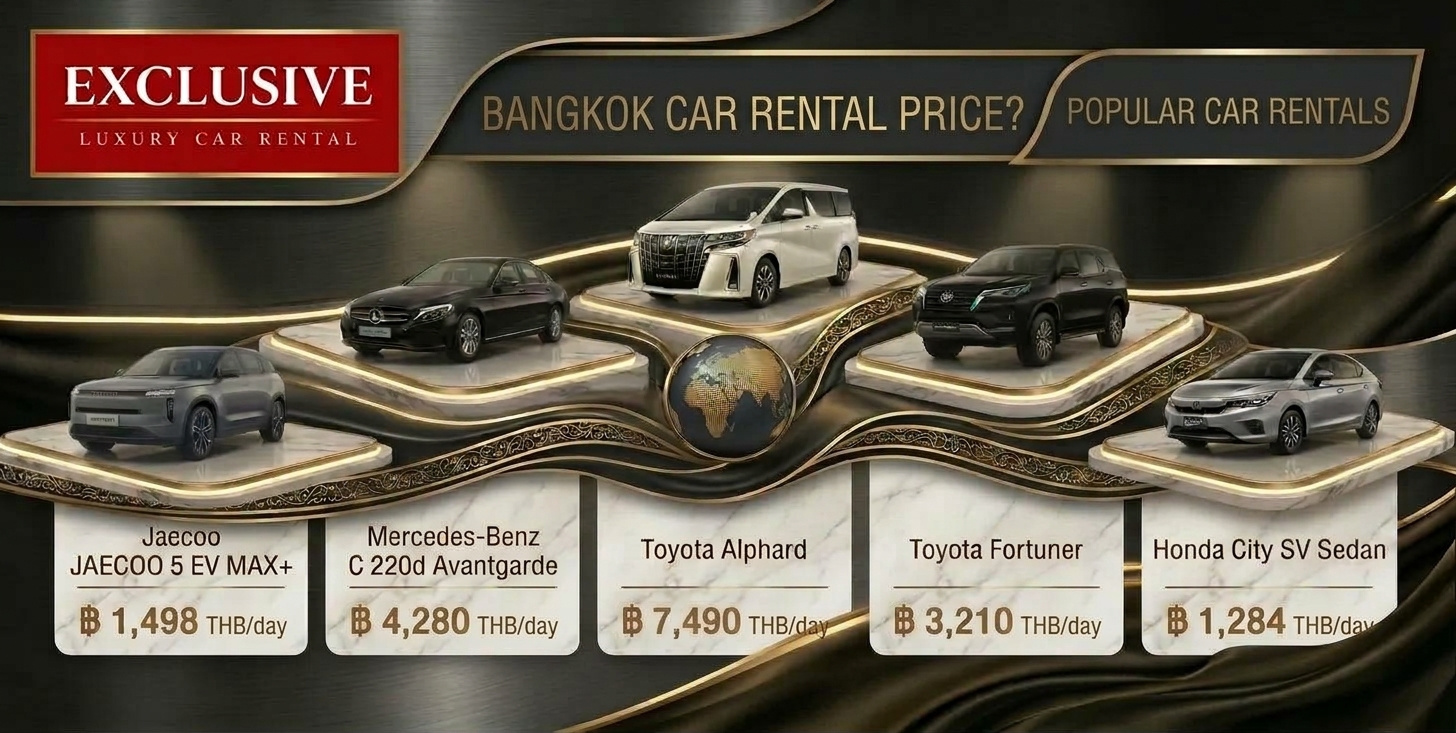
If you feel a motorhome might not suit this trip, or if you are looking for an alternative that emphasizes convenience, luxury, and agility, renting a standard car is an excellent choice. We highly recommend services from Exclusive Car Rental for your trip planning:
-
If you are traveling as a family or a group of friends and desire premium space and comfort throughout the journey, we recommend the Alphard rental service - Exclusive Car Rental, an executive-level MPV that perfectly answers the need for luxury.
-
If you want flexibility, the freedom to stop wherever you like, and the comfort of relaxing in hotels, you can choose a self-drive car rental, which offers a wide selection of sedans and SUVs.
-
For beginners renting a car for the first time, check out the car rental guide to prepare and understand the processes.
-
You can browse the details of Exclusive Car Rental services to find a car that matches your specs and budget.
-
Or, if you want to study more about the company and its reliability, you can visit the main website at Exclusive Car Rental.
Motorhome Pre-Departure Checklist
To avoid on-site mistakes, here is a checklist of items and tasks to review before stepping on the gas every single day:
-
Documents: Driver’s license, rental contract, insurance papers, emergency numbers.
-
Vehicle Systems: Gas valves closed? 220V power cable unplugged from the campsite? Water hose disconnected? All cabinet doors and drawers securely locked? Roof vents closed?
-
Route: Confirmed tonight’s stop? Offline GPS maps downloaded in case of no signal? Weather checked?
-
Supplies & Gear: Fresh food secured in the fridge (locked)? Enough bottled water? Cooking gear, bedding, basic first aid and motion sickness pills, power banks/chargers, flashlight?
-
Safety: Stowed away anything that could roll or crash into a box? All passengers buckled up? Side mirrors adjusted for a wide view?
Frequently Asked Questions (FAQ) About Renting a Motorhome
To make this guide as comprehensive as possible, here are the top questions beginners often ask:
1. What is the difference between a Motorhome and a Campervan? A Motorhome is usually larger, with a newly built living structure on a truck chassis, featuring a full bathroom and kitchen. A Campervan is a modified van with an interior sleeping space; it is more agile but may lack a built-in bathroom.
2. Is a motorhome hard to drive? For Campervans, driving is similar to driving a standard van. Motorhomes are harder because they are wide, long, and tall. You have to account for wider turning radiuses, longer braking distances, and watch out for overhead obstacles. It requires high caution.
3. What type of driver's license is required? This depends on the legal weight and vehicle classification in each country. In Thailand, if the Motorhome does not exceed the designated weight limit, a standard personal car driver’s license is usually sufficient. However, always verify this with the rental provider first.
4. Does the rental price include insurance? Basic insurance is usually included, but there will be an Excess (deductible) that the renter is liable for in the event of an accident. It is highly recommended to inquire about purchasing comprehensive (Zero Excess) insurance for peace of mind.
5. Where can I park and sleep in a motorhome? You cannot just park and sleep randomly anywhere. You should park in RV Parks, Campsites that allow motorhomes, or designated National Park areas. This ensures your safety and provides access to electrical hookups and waste disposal points.
6. Do I need previous motorhome driving experience? Not necessarily, but you must be a highly proficient and experienced driver of standard cars—not a beginner. Rental providers will conduct an orientation on how to use the equipment and basic spatial estimation on the pickup day.
7. How far in advance should I book a motorhome? If traveling during the high season (winter in Thailand), you should book at least 2-3 months in advance because motorhomes are in much lower supply than standard rental cars.
8. If traveling with many people, is a motorhome more cost-effective than a standard car? In purely monetary terms, it might not always be cheaper due to high rental rates, campsite fees, and fuel costs. However, the true value lies in the "experience"—being together, doing activities together, and truly relaxing surrounded by nature.
Conclusion: Planning Your Vehicle, Route, and Accommodation for a Worthwhile Motorhome Trip
Renting a motorhome for independent travel is an experience that creates wonderful memories and opens up new perspectives on traveling. You get to experience nature up close, manage your time freely, and have a warm mobile home throughout the journey. However, this freedom comes with responsibilities. You must choose a vehicle type that matches your driving skills, understand the costs and rental conditions thoroughly, and, most importantly, plan a safe route with campsites that truly accommodate motorhomes.
Before making a decision, don't forget to weigh the pros and cons. If you are ready for an adventure and love the camping lifestyle, following our recommended checklist will definitely ensure a smooth trip. But if you ultimately feel that you prefer a trip focused on comfort, agile driving, and relaxing in luxury hotels, you can easily switch your plans to renting a standard car or an MPV like the Alphard from Exclusive Car Rental to best match your true lifestyle.