
 159
 20 นาที
 :





Travel today is no longer just about reaching a destination. Travelers increasingly value the experiences along the way, the flexibility to manage their own schedules, and the freedom to live life on their own terms. One travel style that reflects these preferences is the RV Lifestyle, which involves traveling and living in a recreational vehicle (RV) or campervan. It combines transportation, living space, and various amenities in a single vehicle.
For those interested in this style of travel, read Renting a Campervan: What You Need to Know About Independent Travel with Accommodation in One Vehicle to learn more about campervans and the key considerations before renting one.
When people think about renting a campervan, they may imagine driving into nature, camping among the mountains, enjoying scenic views, or relaxing by the sea. However, the RV Lifestyle can encompass much more than these activities. It ranges from weekend getaways and family road trips to experimenting with a mobile lifestyle that prioritizes experiences over rigid travel schedules.
If you are unsure which rental provider to choose, explore Where Should You Rent a Campervan? to learn about the factors to consider when comparing available options.
In 2027, the RV Lifestyle is an interesting topic to watch in the travel industry, particularly among people who enjoy road trips and outdoor activities. Planning a successful trip involves more than selecting a vehicle and destination. It also requires preparing the necessary documents and checking rental conditions. You can begin by reviewing Documents Required for Renting a Car, then contact the provider to confirm the specific documentation required for your chosen vehicle.
However, claiming that campervans are becoming a growing trend in Thailand requires further market data and consumer research. Overseas findings should not be used directly as proof of growth in the Thai market. The US-based RVshare Travel Trend Report 2026 discusses interest in RV travel, highlighting flexibility, convenience, and the ability to customize trips to individual preferences.
These findings demonstrate that RV travel is an appealing option in certain markets. However, they do not prove that most Thai consumers will switch to campervan rentals in 2027.
Source: RVshare Travel Trend Report 2026

What makes the RV Lifestyle appealing is not simply having a large vehicle or spending the night inside it. It represents a shift in how people approach travel: rather than organizing everything around a fixed schedule, travelers have more opportunities to move at their own pace while respecting route limitations, safety requirements, and suitable overnight parking regulations.
For those looking to start with a trip near Bangkok, consider planning a nature getaway using 20 Places to Visit in Nakhon Nayok, or explore urban attractions through 40 Places to Visit in Bangkok. These guides can help you plan a trip that matches your schedule and preferred travel style.
How Is the RV Lifestyle Transforming Leisure Travel into a New Way of Living?
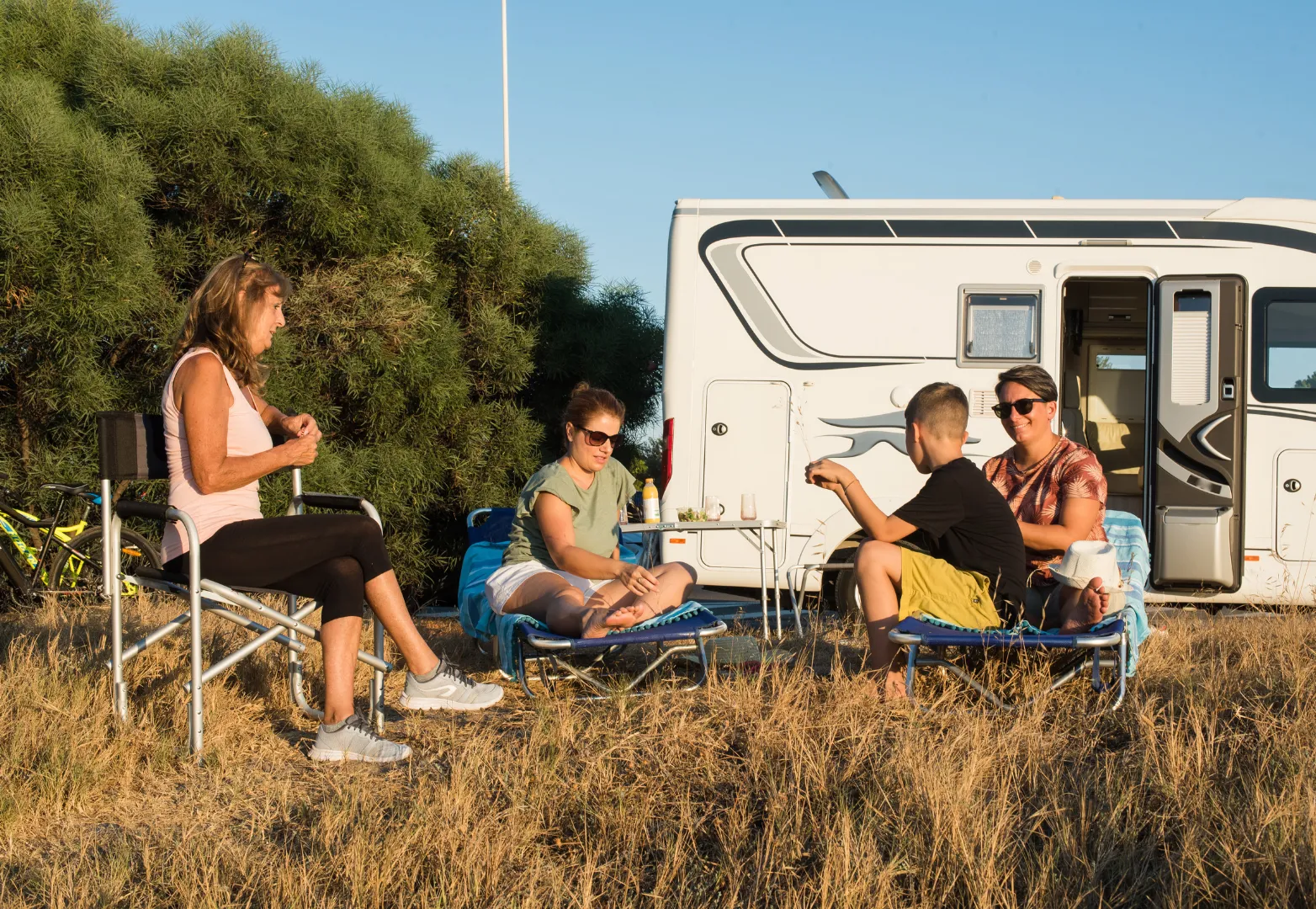
1. A Campervan Is More Than Transportation: It Is a Private Space on the Road
One key difference between traveling in a regular car and traveling in a campervan is that some campervans are designed with dedicated areas for relaxing, eating, storing belongings, and sleeping. This adds a living-space element to the travel experience beyond simply driving from one place to another.
Travelers can enjoy a variety of activities during their trips, such as reading, admiring the scenery, spending time with family, preparing simple meals, or resting after outdoor adventures. The available activities depend on the vehicle's design and the equipment provided by the rental company.
For some people, a campervan creates a greater sense of connection with nature. Others are drawn to the novelty of sleeping in a vehicle rather than staying in a conventional hotel.
However, not every campervan comes equipped with a toilet, shower, kitchen, or complete electrical system. Renters should check the actual equipment available before booking to ensure the vehicle meets their expectations.
2. Flexible Travel and a Focus on Experiences
Traveling by campervan allows people to design routes and activities around their interests without necessarily changing accommodation every time they visit a new destination, provided overnight stops are planned appropriately.
For example, a nature-focused trip with several scenic viewpoints could involve driving during the day, stopping for activities along the route, and staying overnight at a campsite or another location that permits campervan parking.
This style of travel suits people who want to spend more time at each destination, avoid rushing to meet hotel check-in times, or fully appreciate the scenery and experiences along the way.
However, flexibility does not mean that travelers can park and stay overnight anywhere they choose. They must always check local regulations, vehicle restrictions, and overnight parking permissions.
3. A Relaxing Space for Families, Couples, and Friends
Campervans can create shared experiences by giving travelers a common space to relax, talk, and enjoy activities together without having to spend all their time in separate hotel rooms.
Families may enjoy trips that allow children to discover nature. Couples may prefer scenic routes and peaceful places to relax, while groups of friends can combine driving, outdoor activities, and cooking.
Before renting a campervan, however, travelers should consider the number of passengers and the actual number of available sleeping spaces. A vehicle that accommodates several passengers does not necessarily provide a comfortable bed for everyone.
Travelers with young children, older adults, or people with mobility limitations should also check vehicle access, bed height, bathroom accessibility, and overall ease of use.
4. The RV Lifestyle and Working While Traveling
Another concept associated with the RV Lifestyle is combining leisure travel with remote work, particularly for people who can work online and manage their own schedules.
In practice, a campervan can provide a change of scenery from home or the office. However, working while traveling requires more planning than simply bringing a laptop along.
Key factors to consider include:
-
Mobile phone signal and internet connectivity at the destination.
-
Power supply and the ability to operate electronic devices.
-
A suitable space for working.
-
Interior temperature and ventilation.
-
Work schedules and meeting commitments.
-
Safe and authorized parking locations.
Working from a campervan is not suitable for everyone. Travelers should not assume that every type of RV offers amenities comparable to a hotel room or office.
The RV Lifestyle can therefore mean a weekend getaway, a long-distance journey, or an experiment with a different way of living. The right option depends on each person's budget and daily routine.
Sources: Tourism Statistics — Ministry of Tourism and Sports and Statistical Yearbook Thailand 2025
Understanding the Different Types of Campervans Before Renting
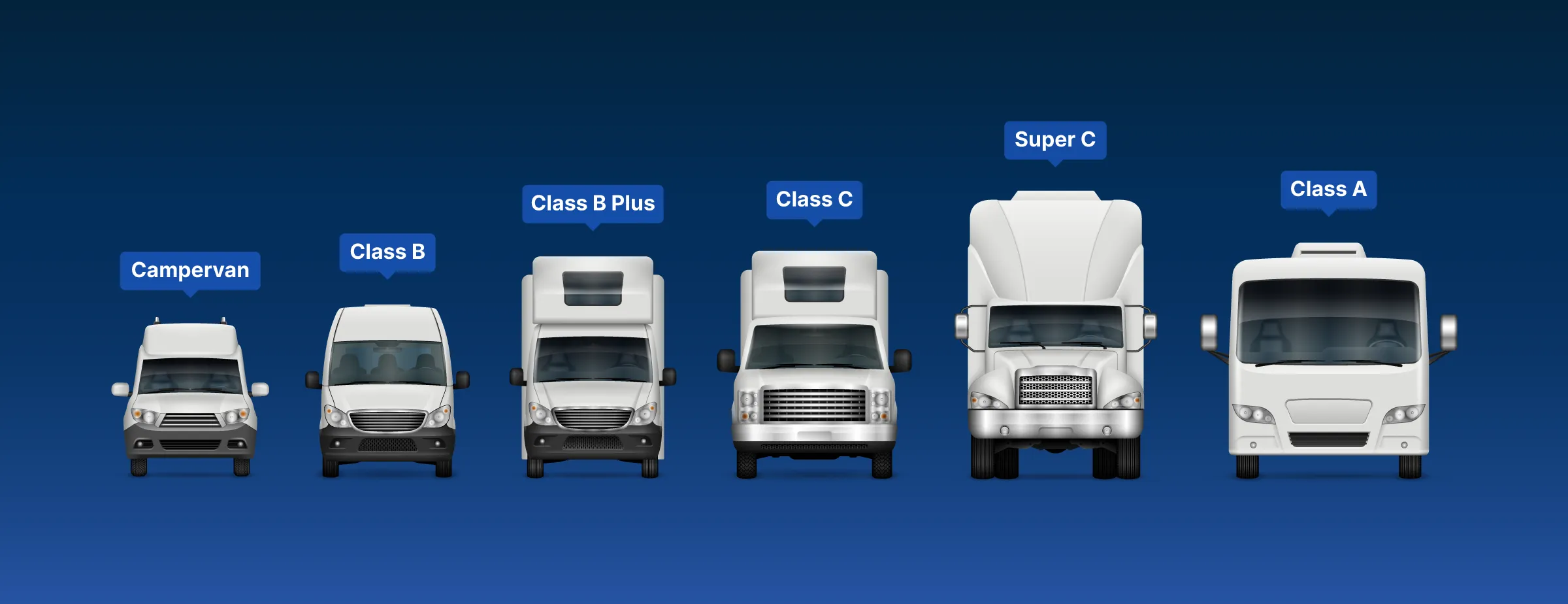
The term RV, or Recreational Vehicle, is a general term for vehicles designed for travel and leisure. Rental vehicles marketed as campervans can vary considerably in size, layout, and equipment. Understanding the differences between vehicle types helps travelers choose one that best suits their trip.
1. Campervan: A Converted Van for Travel and Leisure

A campervan is typically based on a van or compact vehicle whose interior has been adapted for leisure travel. Features may include seats that convert into beds, storage space, and, in some models, a small food-preparation area.
One advantage is that campervans are more compact than some larger RVs. They may therefore suit couples, small groups of friends, or first-time travelers who want to try campervan travel.
However, the interior equipment depends on the model. Some vehicles may not have an onboard bathroom or may offer limited living space, so travelers should check the specifications before booking.
2. Motorhome: An RV Designed for Extended Living
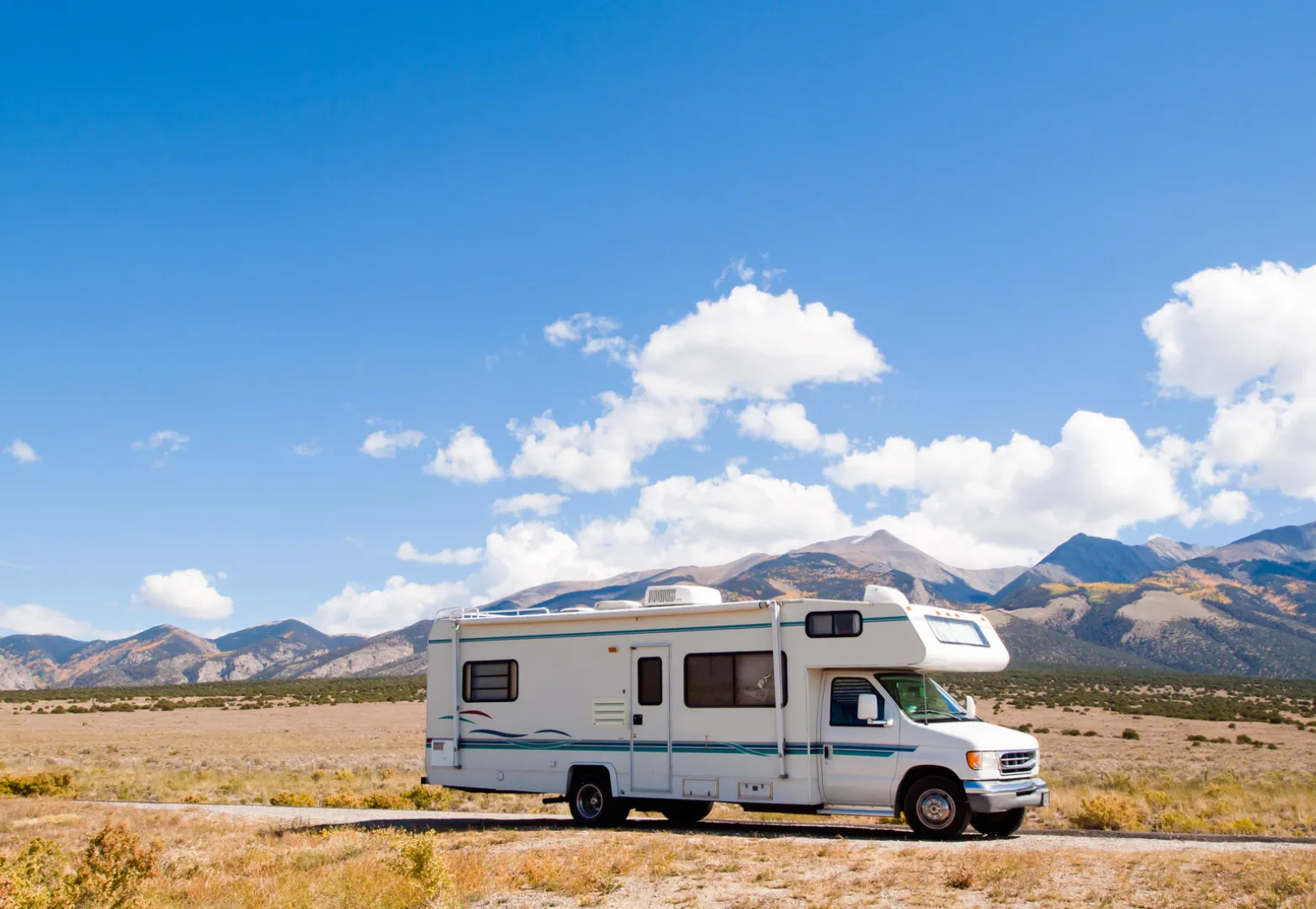
Motorhomes generally have interiors designed to accommodate more activities than some campervans. Depending on the model, they may include beds, a toilet, a shower, a living area, and a small kitchen.
Their main advantage is the ability to combine several amenities in one vehicle, making them suitable for travelers who want a more complete RV overnight experience.
Important considerations include vehicle size, height, weight, and handling. Some models require more driving skill than a regular car and may have difficulty accessing narrow roads, parking areas, or locations with low clearance.
3. Camper Truck: A Pickup Truck with Living Space
A camper truck is based on a pickup truck and fitted with a living compartment or a travel module according to the manufacturer's design.
This type of vehicle may suit outdoor enthusiasts who want a vehicle capable of traveling on a variety of routes. However, its ability to handle rough terrain depends on factors such as the drivetrain, tires, payload, and individual vehicle specifications. Not every converted pickup truck is suitable for off-road travel.
4. Large RVs for Families or Groups of Friends
Some larger RV models offer multiple seating and sleeping areas, making them suitable for groups who want to spend time together.
Before renting, check the legally permitted passenger capacity, the actual number of sleeping spaces, and how the interior is arranged when everyone is inside. Seat belts and other safety equipment should also be considered.
Choosing a vehicle based only on passenger capacity may lead to comfort issues during the trip.
5. A Campervan with a Driver
Travelers who are not confident driving a large vehicle may consider a campervan rental with a driver, if the provider offers this service.
This option can reduce the burden of driving and some aspects of route planning. However, renters should ask whether the driver is included in the quoted price, whether additional charges apply, and whether the provider imposes working-hour limits or travel restrictions.
Comparing Campervan Types Before Making a Decision
|
Vehicle type |
Key advantages |
Best suited for |
What to check |
|---|---|---|---|
|
Campervan |
Compact size and adaptable living space |
Couples or small groups |
Sleeping capacity and bathroom facilities |
|
Motorhome |
A wider range of living facilities and equipment |
Travelers who want to stay primarily in the vehicle |
Vehicle size, water systems, and electricity |
|
Camper Truck |
Pickup truck with a living compartment |
Outdoor enthusiasts |
Payload and route limitations |
|
Large RV |
Accommodates multiple travelers in some models |
Families or groups of friends |
Actual seating and sleeping capacity |
|
Campervan with a driver |
Reduces the need to drive yourself |
Travelers seeking convenience |
Driver fees, service hours, and conditions |
There is no single type of campervan that is best for everyone. The right choice depends on the number of travelers, budget, journey length, and driving comfort.
If you are unsure which type to choose, read Renting a Campervan: What You Need to Know About Independent Travel with Accommodation in One Vehicle to learn more about the rental process and precautions.
Where to Start When Renting a Campervan in Thailand
For travelers interested in trying the RV Lifestyle in Thailand, the first step is to define the type of trip they want before searching for a vehicle. This could be a short getaway near Bangkok, a journey across several provinces, or an overnight stay in a natural setting.
Next, compare rental providers based on vehicle size, interior equipment, prices, and rental conditions. Examples of providers to research include:
HOCA Camper Truck & Motorhome
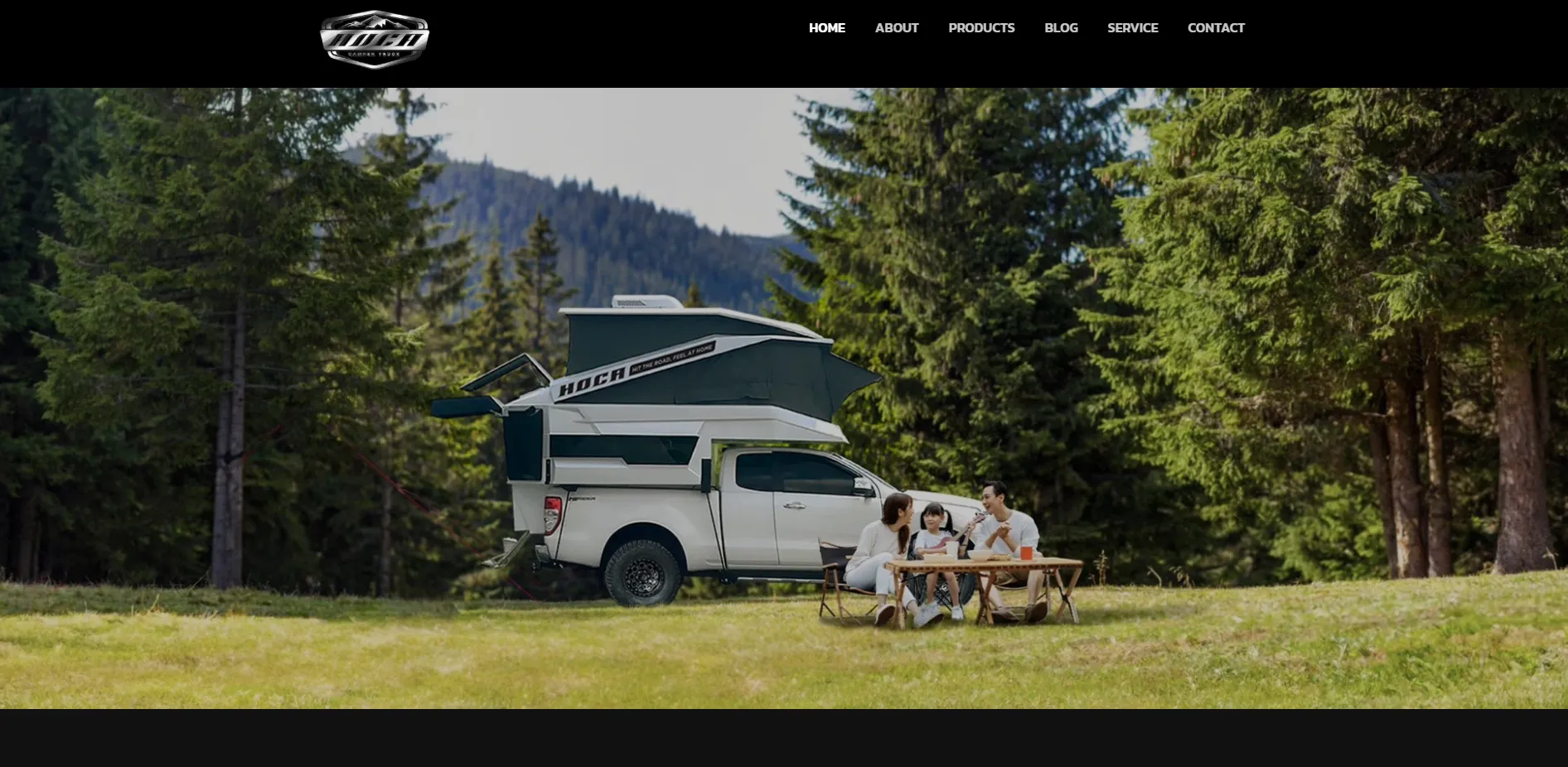
Official Website: https://hocahoca.com
For those who prefer not to start with a large motorhome, HOCA Camper Truck & Motorhome is particularly worth considering. Most of its vehicles are converted pickup trucks, making them more compact and familiar to drive for those accustomed to pickup trucks than larger motorhomes.
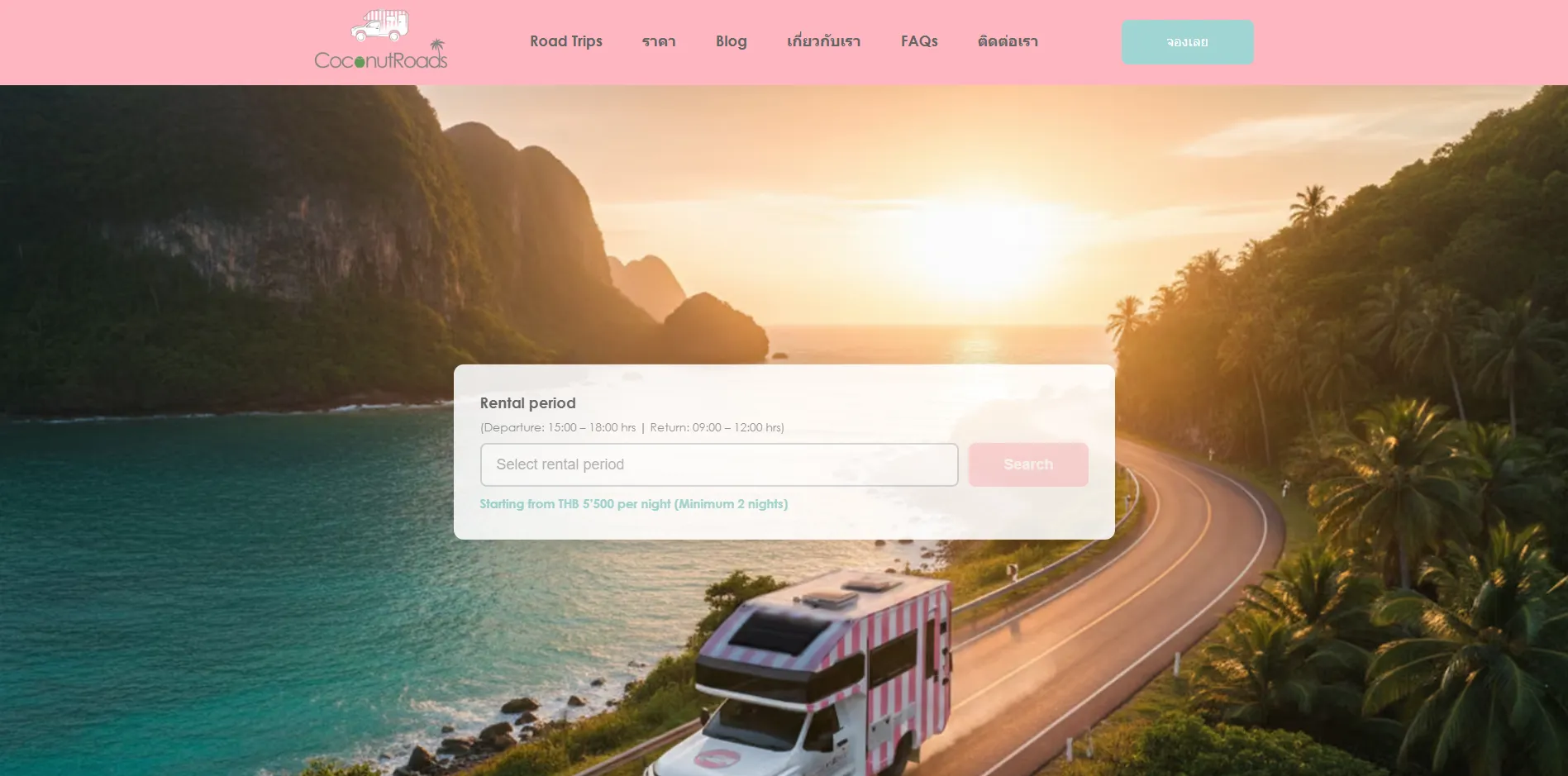
CoconutRoads
Official website: https://www.coconutroads.com/
CoconutRoads is another website travelers can explore when researching vehicle rental options for trips in Thailand. Check the available vehicle types, service areas, insurance conditions, and pickup and return arrangements directly on the website.
Exclusive Car Rental

Official website: https://www.exclusive.co.th/
For travelers interested in road trips who do not necessarily need to sleep in their vehicles, Exclusive Car Rental offers another option for renting regular cars, including compact cars, SUVs, seven-seater vehicles, and vans, depending on availability.
Renting a regular car and staying at hotels, resorts, or other accommodation along the route may suit travelers who want easier handling or plan to visit urban areas where a large RV may be inconvenient.
Before making a decision, compare current prices and rental conditions across providers. Do not base your choice solely on the advertised starting price.
Campervan and Motorhome Rental Prices in Thailand (2026)
|
Vehicle Type / Provider |
Capacity |
Approximate Rental Price |
Source |
|---|---|---|---|
|
Ford Ranger Open Cab Camper — HOCA |
2 people |
THB 4,500/day |
Hoca Hoca |
|
Nissan Navara Double Cab 4 Camper — HOCA |
2–4 people |
THB 5,500/day |
Hoca Hoca |
|
Toyota Revo Motorhome — UD Car Rent |
Sleeps 4 |
THB 4,990/day* |
UD Car Rent |
|
Small Motorhome — Ritzcampervan Adventure |
4–5 people |
THB 9,900/day |
5 People |
|
Large Motorhome — Ritzcampervan Grand Advance |
8–10 people |
THB 15,000/day |
8 - 10 People |
Note: Prices are approximate reference rates based on the providers' published information, referenced on October 20, 2026. UD Car Rent requires a minimum rental period of five days. Prices, availability, rental conditions, insurance, and additional fees may vary. Please confirm directly with each provider before booking.
Example Budget Planning Table
|
Expense |
How to calculate |
|---|---|
|
Vehicle rental |
Daily rental rate × number of days |
|
Deposit |
Check the conditions and separate it from actual expenses |
|
Fuel |
Distance ÷ fuel efficiency × fuel price |
|
Accommodation or parking |
Number of nights × nightly fee |
|
Food |
Daily food budget × number of days |
|
Insurance or additional services |
Based on the quotation and rental agreement |
|
Emergency reserve |
Allow for unexpected expenses |
For example, if you are planning a three-day, two-night trip, calculate the rental cost for all three days according to the pickup and return conditions. Add fuel, overnight parking, and personal expenses. Do not compare the vehicle rental fee alone with the price of a hotel package.
The deposit should also be kept separate from your actual spending budget because it may be refunded after the vehicle has been inspected and the refund conditions have been satisfied.
How to Choose a Campervan Rental Company That Suits Your Trip
Choosing the right rental provider is another factor that influences the RV Lifestyle experience. Renters should evaluate the available information carefully rather than relying solely on vehicle photos or advertised prices.
Verify the company's identity and contact channels
Choose a provider with a clear website or contact information, as well as accessible details about its vehicles, rental conditions, and booking procedures.
Request photos of the actual vehicle
Promotional images may not show the vehicle's complete condition or all its equipment. Ask for photos of the interior, sleeping areas, bathroom, kitchen facilities, and luggage storage in the specific vehicle you will receive.
Read the rental agreement in full
Review the conditions concerning the number of authorized drivers, interprovincial travel, driving in natural areas, late returns, and liability in the event of damage.
Ask about emergency assistance
Find out how to contact the provider if the vehicle develops a problem. Understand the procedures for accidents, breakdowns, or issues involving the vehicle's interior equipment.
Check maintenance and safety
Before accepting the vehicle, inspect the tires, brakes, lights, air-conditioning system, safety equipment, and interior condition. Take photos or videos as evidence of the vehicle's condition at pickup.
Compare the total cost, including additional fees
Request a quotation that clearly lists the rental fee, deposit, insurance, driver fees, and additional service charges. This helps prevent misunderstandings before the trip begins.
Documents Required Before Renting a Campervan
The documents required to rent a campervan depend on the provider, vehicle type, and rental agreement. Renters should request a list of required documents before the pickup date.
Documents that may be required include:
-
A national identity card or passport.
-
A valid driving licence that complies with the law and is appropriate for the vehicle category.
-
A credit card or other security guarantee specified by the provider.
-
Booking confirmation and proof of payment.
-
Additional documents required by the rental company.
International travelers should verify which driving licences can legally be used in Thailand. Do not assume that licences issued in every country are automatically accepted without conditions.
For more information, read Documents Required for Renting a Car to prepare for renting a regular vehicle. Those renting a campervan should separately confirm the specific documentation requirements with their chosen provider.
The Advantages and Limitations of the RV Lifestyle
Advantages of Traveling by Campervan
Flexibility in planning your trip
Travelers can choose their routes and decide how long to stay at each destination, particularly when overnight stops have been planned in advance.
Combining transportation and relaxation space
Some campervans provide living and sleeping areas, reducing the need to change accommodation every night. However, this does not necessarily mean that the total cost will be lower than staying in hotels.
An experience that differs from conventional travel
Living in a campervan gives travelers opportunities to enjoy the scenery along the way and participate in a variety of outdoor activities.
Ideal for travelers who enjoy independent travel
People who enjoy planning their own routes and spending time at each destination according to their interests may find that this style of travel suits their lifestyle.
Limitations to Consider
Limited living space
Although campervans may include various amenities, their interiors are smaller than those of houses or conventional accommodation. Traveling with several people may feel cramped.
Responsibility for the vehicle and equipment
Depending on the rental conditions, renters may be responsible for organizing luggage, cleaning, and maintaining certain items of equipment.
Driving may be more challenging than driving a regular car
Large RVs have limitations relating to height, width, weight, and turning radius. Drivers must exercise caution and avoid unsuitable routes.
Overnight accommodation requires planning
Do not park overnight in unauthorized areas. Always check the safety and suitability of the location before staying there.
Costs may be higher than expected
Rental fees, fuel, insurance, and overnight parking can make the total cost higher than renting a regular car and staying in hotels, especially when traveling with only a few people.
Campervan vs. Regular Car and Hotel: Which Is Better for Your Trip?
The choice between a campervan and a regular car depends on the purpose of your journey. If you want to experience sleeping in a vehicle and enjoy outdoor activities, a campervan may be a good fit. However, if your priority is exploring cities, visiting multiple attractions, or staying mainly in hotels, a regular car may be more convenient.
|
Factor |
Campervan |
Regular Car and Hotel |
|---|---|---|
|
Experience |
Combines travel and relaxation inside the vehicle |
Combines transportation with accommodation at a separate property |
|
Maneuverability |
Depends on vehicle size |
Generally easier to maneuver in urban areas |
|
Accommodation space |
Limited by vehicle size |
Depends on the type of room booked |
|
Luggage management |
Belongings can remain in the vehicle |
Luggage may need to be moved between the car and accommodation |
|
Expenses |
Includes vehicle rental, fuel, and parking fees |
Includes car rental and accommodation |
|
Best suited for |
Camping enthusiasts and independent travelers |
Travelers who prioritize convenience and varied sightseeing |
For road trips that do not require sleeping in the vehicle, consider self-drive car rental from Exclusive Car Rental. Various vehicle types are available to suit different travel needs.
Families or groups of friends who need more seating space can explore van rental options and other vehicles designed for group travel.
For longer journeys or extended vehicle use, visit the monthly car rental service to compare options based on the required rental period.
Campervan Travel Checklist
Before collecting your vehicle and starting your trip, make sure you have checked the following items.
Vehicle and Safety
-
Inspect the tires, brakes, lights, and air-conditioning system.
-
Check the vehicle's dimensions and height.
-
Learn how to operate the equipment inside the vehicle.
-
Take photos of the vehicle's condition before pickup.
-
Confirm the emergency contact number.
Documents and Rental Agreement
-
Prepare the documents required by the rental provider.
-
Confirm the vehicle pickup and return dates and times.
-
Read the insurance coverage and liability conditions.
-
Check the deposit amount and refund conditions.
-
Keep all booking confirmations and receipts.
Routes and Overnight Stops
-
Plan the driving distance and travel time for each day.
-
Check locations that permit campervan overnight stays.
-
Reserve overnight accommodation during holiday periods.
-
Identify necessary fuel stations or charging points.
-
Prepare alternative routes in case of emergencies.
Living in the Vehicle
-
Pack only the clothing and personal items you need.
-
Check the electrical system and power supply.
-
Bring drinking water and suitable food.
-
Check cooking equipment and waste-storage arrangements.
-
Understand how to manage clean water and wastewater if the vehicle has these systems.
With proper preparation, campervan travel can help travelers organize their trips more efficiently and reduce potential problems along the way.
The Future of the RV Lifestyle in 2027

In 2027, the RV Lifestyle is a topic worth exploring from the perspectives of tourism businesses and consumer behavior, particularly in relation to road trips, nature-based travel, and choosing experiences that reflect individual interests.
However, the direction of Thailand's campervan market should be evaluated using directly relevant data, such as the number of rental providers, the number of vehicles available for rent, booking volumes, seasonal vehicle utilization rates, and tourist spending behavior.
Businesses seeking to monitor market developments can consider the following factors.
Availability of suitable overnight facilities
Having appropriate RV-friendly locations with electricity, clean water, toilets, and waste-management facilities can make trip planning more convenient.
Variety of vehicles and services
Different types of campervans suit different travelers. Providers that offer clear vehicle information and transparent rental conditions make it easier for consumers to compare their options.
Convenient booking and accessible information
Websites that provide complete information about vehicles, prices, rental conditions, and overnight facilities can reduce uncertainty before customers make a booking decision.
Safety and environmental responsibility
Responsible RV travel requires compliance with local regulations, proper waste disposal, and consideration for nearby communities and the natural environment.
For travelers, following updates from rental providers and relevant authorities can support better decision-making. Businesses, meanwhile, should monitor market data continuously to distinguish general interest in RV-related content from actual demand for rentals.
Conclusion: The RV Lifestyle in 2027 and Travel Designed Around Your Lifestyle
The RV Lifestyle reflects an approach to travel that combines transportation with living and relaxation space. Some campervans offer areas for sitting, relaxing, and sleeping within a single vehicle. They may suit travelers who enjoy road trips, nature-based getaways, and spending quality time with family or friends.
However, renting a campervan is not suitable for every trip. Before making a decision, travelers should consider the vehicle type, passenger capacity, budget, route, overnight parking arrangements, and insurance coverage.
In 2027, campervan rentals are one form of travel worth watching. Nevertheless, further data on Thailand's market is needed before concluding that the sector is experiencing clear and substantial growth.
If you are planning a trip and want to begin comparing campervan options, explore Where Should You Rent a Campervan? and the Campervan Rental Guide for Beginners to prepare before booking.
If you prefer a road trip with overnight stays at hotels or other accommodation along the route rather than sleeping in the vehicle, explore self-drive car rental from Exclusive Car Rental to choose a vehicle that suits your group size and travel plans.
Whether you choose a campervan or a regular car, a great journey starts with thoughtful planning, choosing the right vehicle, and preparing for the trip so that every moment along the way becomes a memorable experience.
References
-
Ministry of Tourism and Sports — Tourism Statistics for 2025
-
National Statistical Office — Statistical Yearbook Thailand 2025
Note: Vehicle types, prices, and service conditions offered by external providers may change. Check official websites before booking. The discussion of trends in 2027 is a content-based analysis and does not constitute confirmation of the growth rate of Thailand's campervan market.